Borehole Drilling Service
৳ 100.00
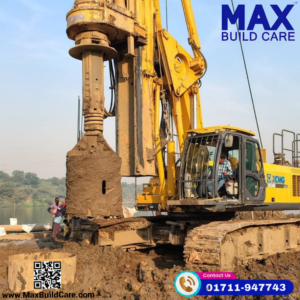
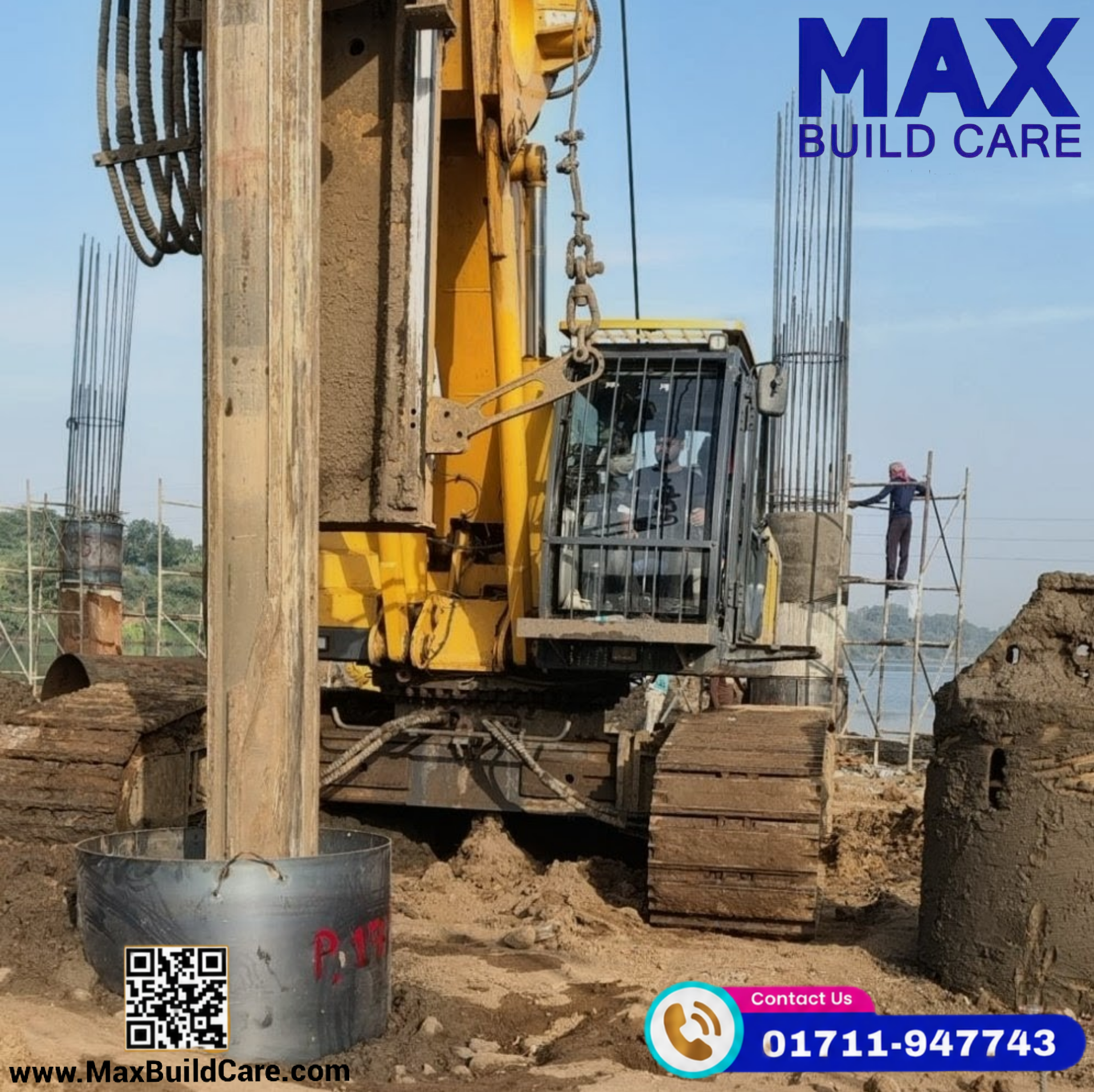
Borehole Drilling Service is a specialized ground engineering process used to create deep and precise holes in soil or rock for water wells, foundation work, piling, and geotechnical investigations. It ensures accurate drilling depth, stability, and safe access to underground resources.
Borehole Drilling Service – Complete Industrial Description
Type: Ground Engineering & Drilling Service
Application: Water Well Construction, Foundation Engineering, Cast-in-Situ Piling, Soil Investigation, Dewatering, Infrastructure Development
Borehole Drilling Service is a specialized and essential ground engineering process used to create deep, precise, and stable holes in soil, sand, clay, or rock formations. These boreholes are used for multiple engineering purposes such as water extraction, foundation piling, geotechnical investigation, soil testing, and dewatering systems.
In modern construction and infrastructure development, Borehole Drilling plays a critical role in understanding subsurface conditions and ensuring safe, stable, and well-designed structures. It is a fundamental requirement for high-rise buildings, bridges, industrial facilities, and civil engineering projects where ground conditions must be carefully evaluated and utilized.
Introduction to Borehole Drilling
The stability and safety of any structure depend heavily on the condition of the ground beneath it. Since surface soil is often not strong enough to support heavy loads, engineers rely on borehole drilling to access deeper and more stable soil or rock layers.
Borehole drilling involves the use of specialized drilling rigs and equipment to penetrate the ground vertically or at specific angles. The depth and diameter of the borehole are determined based on project requirements and soil investigation results.
This service is widely used in both construction and resource development industries.
Drilling Process and Methodology
The Borehole Drilling process is carried out through several controlled stages:
Site Survey and Planning
Before drilling begins, a detailed site survey is conducted to analyze soil conditions, groundwater level, and geological structure.
Equipment Setup
A drilling rig is positioned at the designated location. The type of rig depends on soil conditions and required depth.
Drilling Operation
The drilling tool penetrates the ground using rotary, percussion, or rotary-percussion methods depending on soil hardness and project requirements.
Soil and Rock Removal
As drilling progresses, cuttings (soil and rock fragments) are removed using drilling fluid or air circulation systems.
Borehole Stabilization
In loose soil conditions, drilling fluid such as bentonite slurry or temporary casing is used to prevent borehole collapse.
Completion
Once the required depth is reached, the borehole is prepared for its intended use such as casing installation, reinforcement, or water well development.
Types of Borehole Drilling
Borehole drilling can be classified based on application and method:
Water Well Drilling
Used to access underground water sources for domestic, agricultural, and industrial use.
Foundation Drilling
Used in construction projects for creating piles and deep foundations.
Geotechnical Investigation Drilling
Used to collect soil and rock samples for engineering analysis.
Dewatering Boreholes
Used to control groundwater levels in construction sites.
Exploration Drilling
Used in mining and resource exploration projects.
Applications of Borehole Drilling Service
Borehole drilling is widely used across various industries.
Construction Industry
- High-rise buildings
- Bridges and flyovers
- Industrial structures
- Commercial complexes
Water Resource Development
- Tube wells
- Deep wells
- Irrigation systems
- Drinking water supply projects
Infrastructure Projects
- Roads and highways
- Railways
- Airports
- Ports and marine structures
Industrial Applications
- Factory foundations
- Cooling water systems
- Ground stabilization projects
Importance in Foundation Engineering
In modern foundation engineering, borehole drilling is essential for determining soil strength and selecting proper foundation systems.
Key Roles:
- Identifies load-bearing soil layers
- Supports design of pile foundations
- Reduces risk of structural failure
- Ensures long-term stability of structures
- Helps in selecting suitable construction methods
Without proper borehole data, foundation design cannot be accurately completed.
Role in Cast-in-Situ Piling
Borehole drilling is a critical part of Cast-in-Situ piling systems.
Functions:
- Creates space for reinforced concrete piles
- Ensures accurate pile depth
- Allows proper reinforcement placement
- Supports concrete pouring process
- Stabilizes borehole during construction
High-quality drilling ensures strong and durable pile foundations.
Equipment Used in Borehole Drilling
Modern borehole drilling uses advanced machinery and tools:
- Rotary drilling rigs
- Auger drilling machines
- Percussion drilling systems
- Drilling bits and cutters
- Casing pipes
- Mud pumps and slurry systems
The selection of equipment depends on soil type and project requirements.
Advantages of Borehole Drilling Service
✔ Enables access to deep underground resources
✔ Essential for safe foundation design
✔ Suitable for all soil and rock conditions
✔ Provides accurate geological data
✔ Supports water supply systems
✔ Reduces construction risk
✔ Improves structural stability
✔ Highly efficient and adaptable process
These advantages make it a core service in civil engineering.
Quality Control and Safety Measures
Strict safety and quality control procedures are followed during drilling operations.
Quality Measures:
- Monitoring drilling depth and alignment
- Testing soil samples
- Checking borehole stability
- Ensuring proper slurry density
- Verifying casing installation
Safety Measures:
- Use of trained operators
- Proper machine handling
- Site safety management
- Protective equipment usage
- Controlled drilling operations
These ensure safe and successful project execution.
Environmental Considerations
Modern borehole drilling practices are designed to minimize environmental impact.
- Controlled waste management
- Reduced ground disturbance
- Efficient water usage
- Noise reduction techniques
- Safe disposal of drilling materials
This ensures environmentally responsible construction practices.
Conclusion
Borehole Drilling Service is a vital and highly specialized ground engineering process that supports construction, water supply, infrastructure development, and geotechnical investigation projects. It provides accurate access to underground soil and rock layers, enabling engineers to design safe and stable foundations.
Its importance in foundation engineering, water resource development, and piling systems makes it an essential service in modern construction industries. With advanced equipment, skilled operation, and strict quality control, Borehole Drilling ensures efficiency, safety, and long-term reliability in all types of engineering projects.
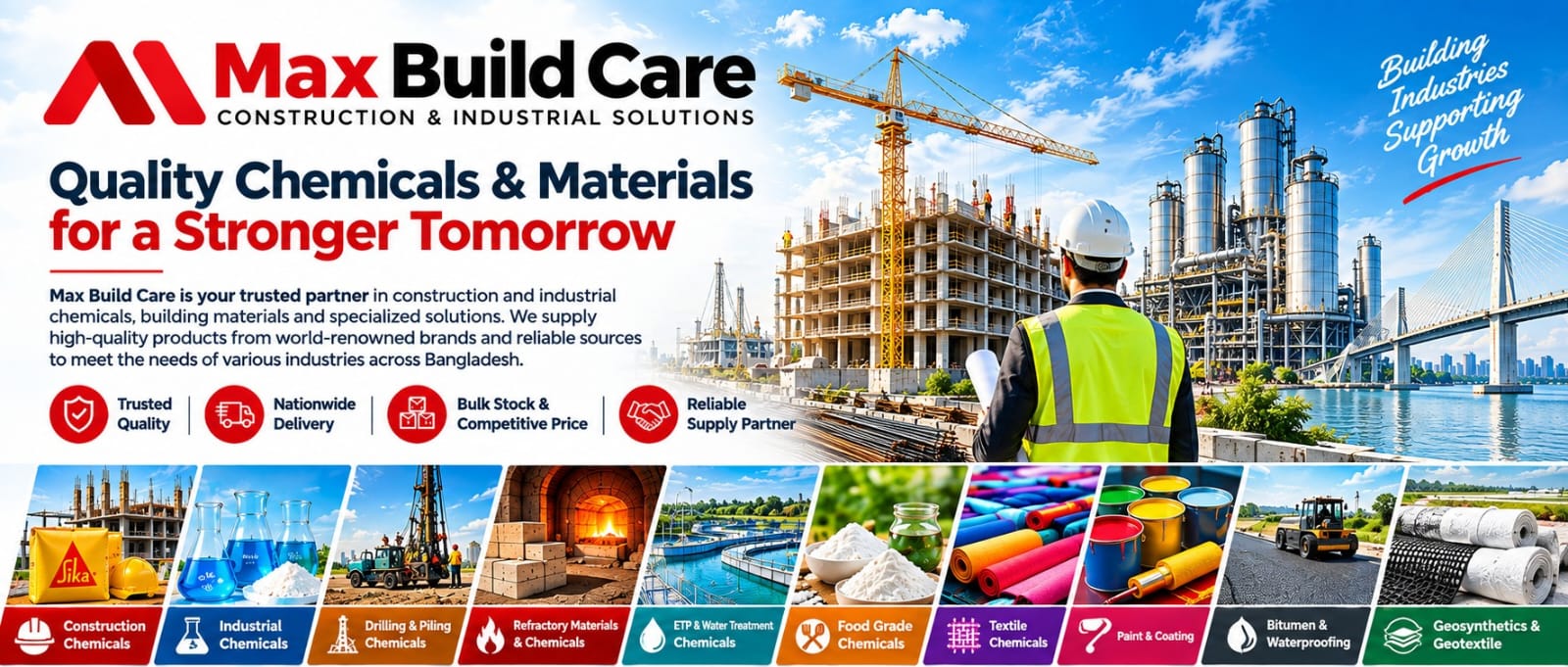
Service Provider: Max Build Care
Specialized in Drilling, Foundation Engineering & Construction Support Services