
Description
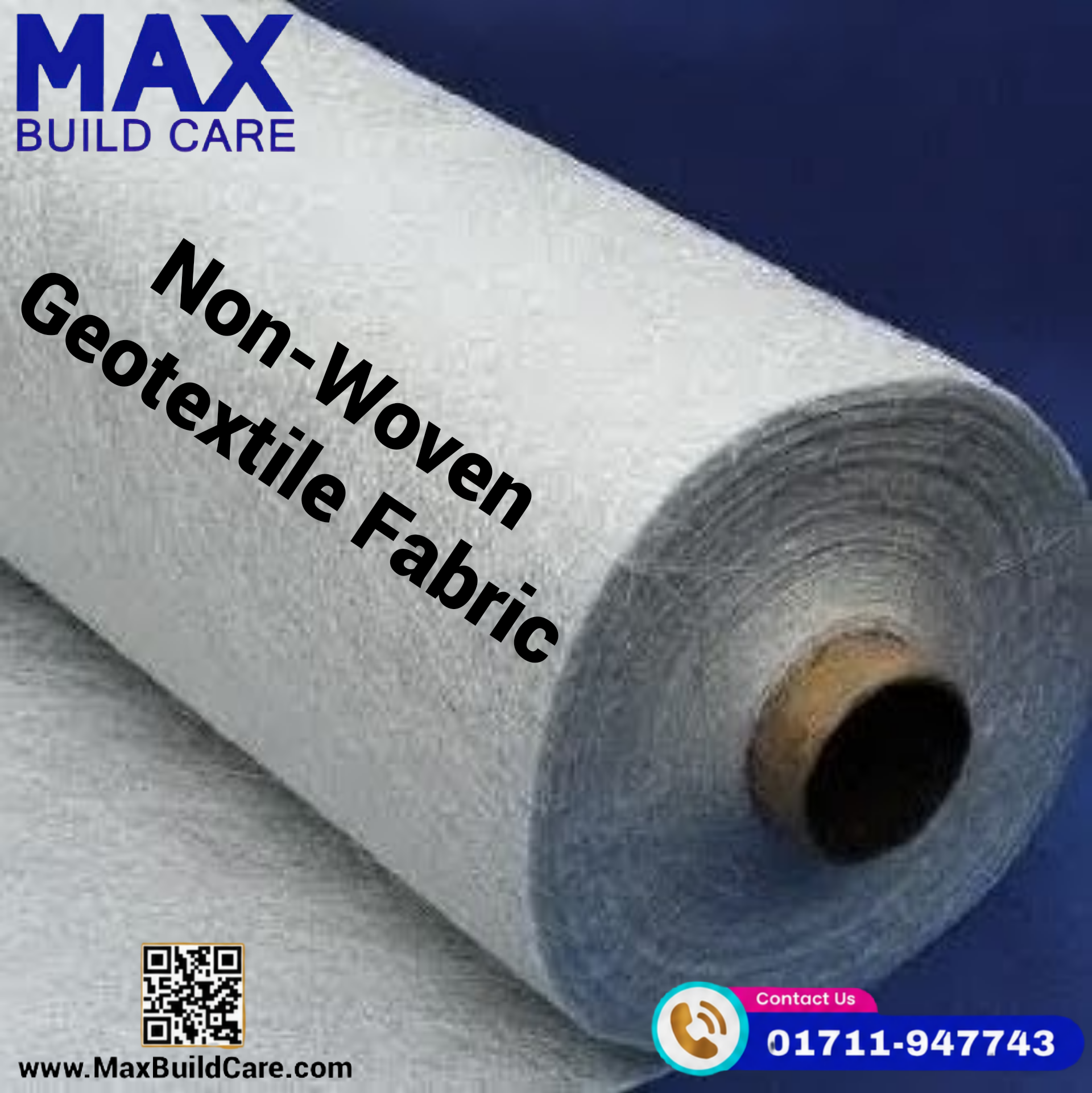
Non-Woven Geotextile Fabric in Bangladesh – Complete Industrial Description
Type: Needle-Punched Non-Woven Geotextile Fabric
Material: Polypropylene (PP) / Polyester (PET) Staple Fiber
Appearance: White, Grey or Black Roll
Application: Road Construction, River Bank Protection, Drainage Systems, Railway Projects, Embankments, Landfills, Slope Stabilization, Foundation Engineering
Non-Woven Geotextile Fabric is a high-performance geosynthetic material manufactured from premium polypropylene (PP) or polyester (PET) fibers using advanced needle-punching technology. It is specifically designed to provide superior filtration, separation, drainage, protection, cushioning, and erosion control in civil engineering, infrastructure, hydraulic, and environmental projects. In Bangladesh, non-woven geotextiles are widely used for riverbank protection, road construction, embankment strengthening, coastal protection, drainage systems, and foundation engineering due to their excellent permeability, durability, and long service life.
Product Overview
Non-Woven Geotextile Fabric is a permeable synthetic fabric produced by mechanically bonding staple fibers through needle-punching, creating a strong yet flexible sheet with excellent filtration and drainage characteristics. Unlike woven geotextiles, non-woven fabrics allow water to pass through while retaining soil particles, making them ideal for projects requiring efficient drainage and soil stabilization.
The fabric is available in various GSM (grams per square meter), thicknesses, and roll sizes to suit different engineering applications. Depending on project requirements, it can be manufactured from polypropylene (PP) or polyester (PET) fibers with high tensile strength and UV resistance.
Material Composition
Premium Non-Woven Geotextile Fabric is manufactured using:
- High-Quality Polypropylene (PP) Staple Fiber
- Polyester (PET) Staple Fiber
- UV Stabilizers
- Needle-Punched Fiber Structure
- Performance Enhancing Additives
The fabric is engineered to provide long-term durability even under harsh environmental conditions.
Working Principle
Non-Woven Geotextile Fabric performs multiple engineering functions simultaneously.
Filtration
Allows water to pass freely while preventing the movement of soil particles.
Separation
Prevents mixing of different soil layers, maintaining the integrity of road bases and embankments.
Drainage
Provides an efficient drainage path for groundwater and excess water.
Protection
Protects waterproof membranes, geomembranes, and drainage systems against puncture damage.
Cushioning
Absorbs localized stresses and distributes loads evenly.
Erosion Control
Protects soil from erosion caused by water flow, waves, and heavy rainfall.
Applications
Road Construction
Used beneath roads to separate subgrade soil from aggregates, improving pavement performance and extending service life.
Railway Construction
Provides stabilization, filtration, and drainage beneath railway ballast.
River Bank Protection
Used beneath Geo Bags, riprap, and revetments to prevent soil erosion while allowing water filtration.
Embankments
Strengthens embankments by improving drainage and preventing soil migration.
Coastal Protection
Protects shorelines from wave action and tidal erosion.
Drainage Systems
Wrapped around drainage pipes to prevent clogging while maintaining water flow.
Landfills
Acts as a filtration and protection layer in landfill engineering systems.
Foundation Engineering
Provides soil separation and stabilization beneath foundations and retaining structures.
Slope Stabilization
Controls soil erosion on slopes, canals, and embankments.
Key Features and Benefits
Excellent Water Permeability
Allows rapid water flow while retaining fine soil particles.
High Tensile Strength
Provides excellent resistance to mechanical stresses during installation and service.
Superior Filtration Performance
Prevents clogging while maintaining long-term drainage efficiency.
Outstanding Puncture Resistance
Protects geomembranes and other geosynthetic materials from damage.
UV Resistance
Designed to resist ultraviolet degradation during construction exposure.
Chemical Resistance
Resistant to most naturally occurring chemicals, acids, alkalis, and biological attack.
Long Service Life
Maintains performance for many years when installed correctly.
Environmentally Friendly
Supports sustainable construction by reducing erosion and protecting natural resources.
Advantages Over Conventional Materials
Compared with traditional sand filters, gravel layers, or natural fabrics, Non-Woven Geotextile Fabric offers numerous advantages:
- Better filtration efficiency
- Higher drainage capacity
- Improved soil stabilization
- Faster installation
- Reduced construction costs
- Lower maintenance requirements
- Greater durability
- Excellent flexibility
- Lightweight and easy to transport
- Long-term engineering performance
These benefits make it one of the most widely used geosynthetic materials in modern civil engineering.
Why It Is Ideal for Bangladesh
Bangladesh faces frequent challenges such as river erosion, flooding, weak subgrade soils, and heavy seasonal rainfall. Non-Woven Geotextile Fabric is particularly suitable because it:
- Improves road and highway stability
- Protects riverbanks and embankments
- Enhances drainage efficiency
- Prevents soil erosion
- Supports flood protection infrastructure
- Performs well in soft alluvial soils
- Extends the lifespan of civil engineering structures
It is widely used in projects undertaken by government agencies, contractors, and infrastructure developers across the country.
Installation Process
Proper installation generally involves:
- Site preparation and leveling.
- Rolling out the geotextile over the prepared surface.
- Overlapping adjacent sheets as specified.
- Securing the fabric where required.
- Placing aggregates, soil, Geo Bags, or other construction materials over the fabric.
- Completing compaction and final construction.
Correct installation is essential for achieving maximum engineering performance.
Storage and Handling
To maintain product quality:
- Store in a dry and shaded location.
- Protect rolls from prolonged UV exposure before installation.
- Keep away from sharp objects and heavy impacts.
- Avoid contamination with oils or chemicals.
- Handle carefully during transportation and unloading.
Proper storage preserves the fabric’s strength and filtration properties.
Conclusion
Non-Woven Geotextile Fabric is a versatile and high-performance geosynthetic material that plays a vital role in modern civil engineering and infrastructure development. Its exceptional filtration, drainage, separation, protection, and erosion control capabilities make it an ideal solution for roads, railways, riverbank protection, embankments, coastal defense, landfills, and foundation engineering.
In Bangladesh, where challenging soil conditions and river erosion are common, Non-Woven Geotextile Fabric has become an essential component of sustainable construction and water management projects. Its durability, ease of installation, cost-effectiveness, and long-term performance make it the preferred choice for engineers, consultants, contractors, and government organizations seeking reliable and efficient geotechnical solutions.
Supplied By: Max Build Care
Specialized in Geosynthetics, Geotextile Solutions, River Protection Materials & Construction Chemicals
Reviews
There are no reviews yet.