
Description
Rebar Coupler – High Strength Mechanical Rebar Connection System
Rebar Coupler is a high-strength mechanical connection system designed to join two reinforcing steel bars and provide continuous reinforcement in reinforced concrete structures. It is widely used as an alternative to traditional rebar lap splicing, particularly in projects where structural performance, reinforcement congestion, construction efficiency, and material optimization are important considerations.
Rebar couplers create a reliable mechanical connection between reinforcing bars while reducing the need for long lap lengths. This can help optimize reinforcement detailing and provide greater flexibility during construction. Depending on the coupler type and applicable project requirements, mechanical rebar splicing systems can be used for a wide range of bar sizes and structural applications.
What is a Rebar Coupler?
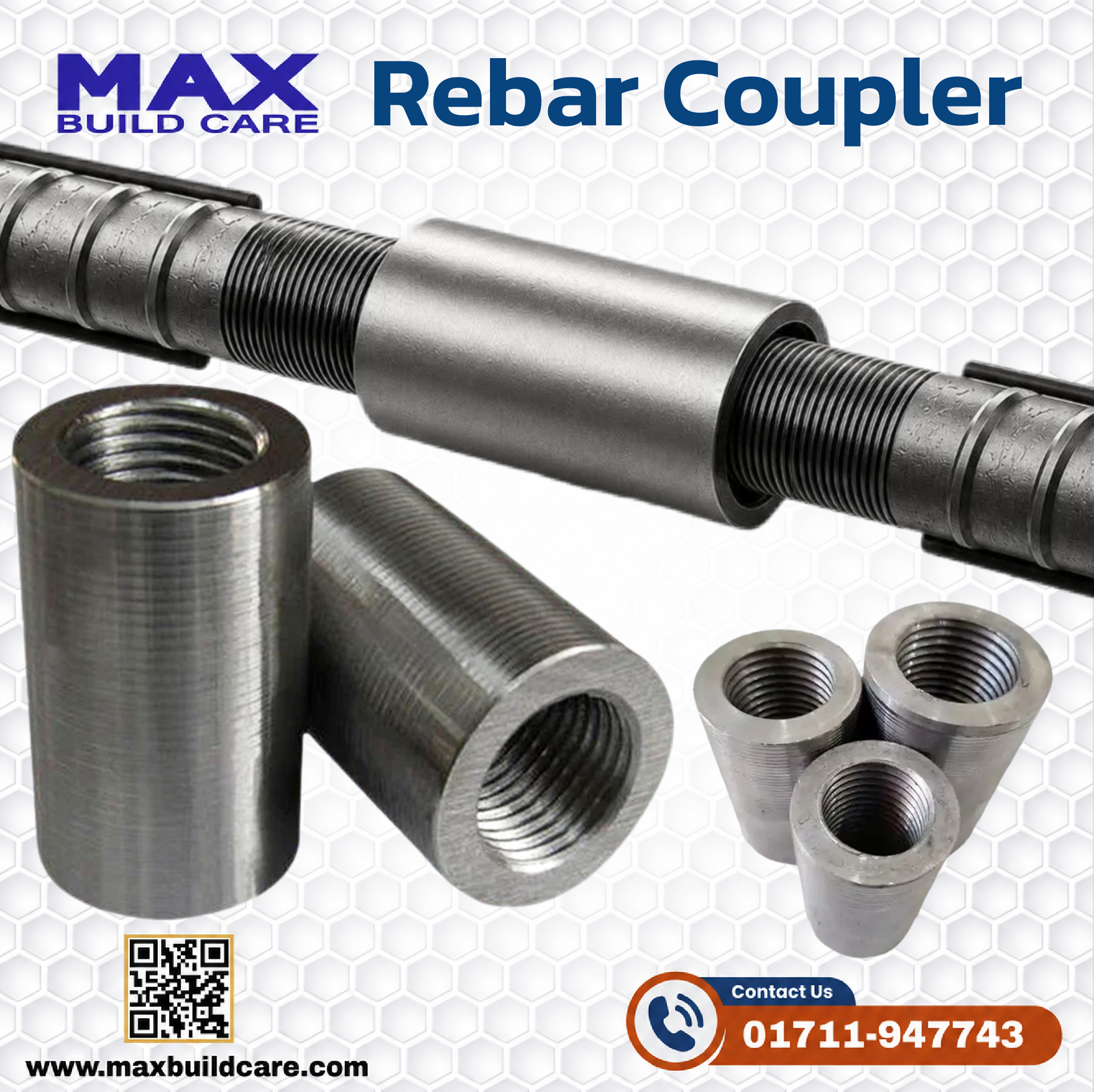
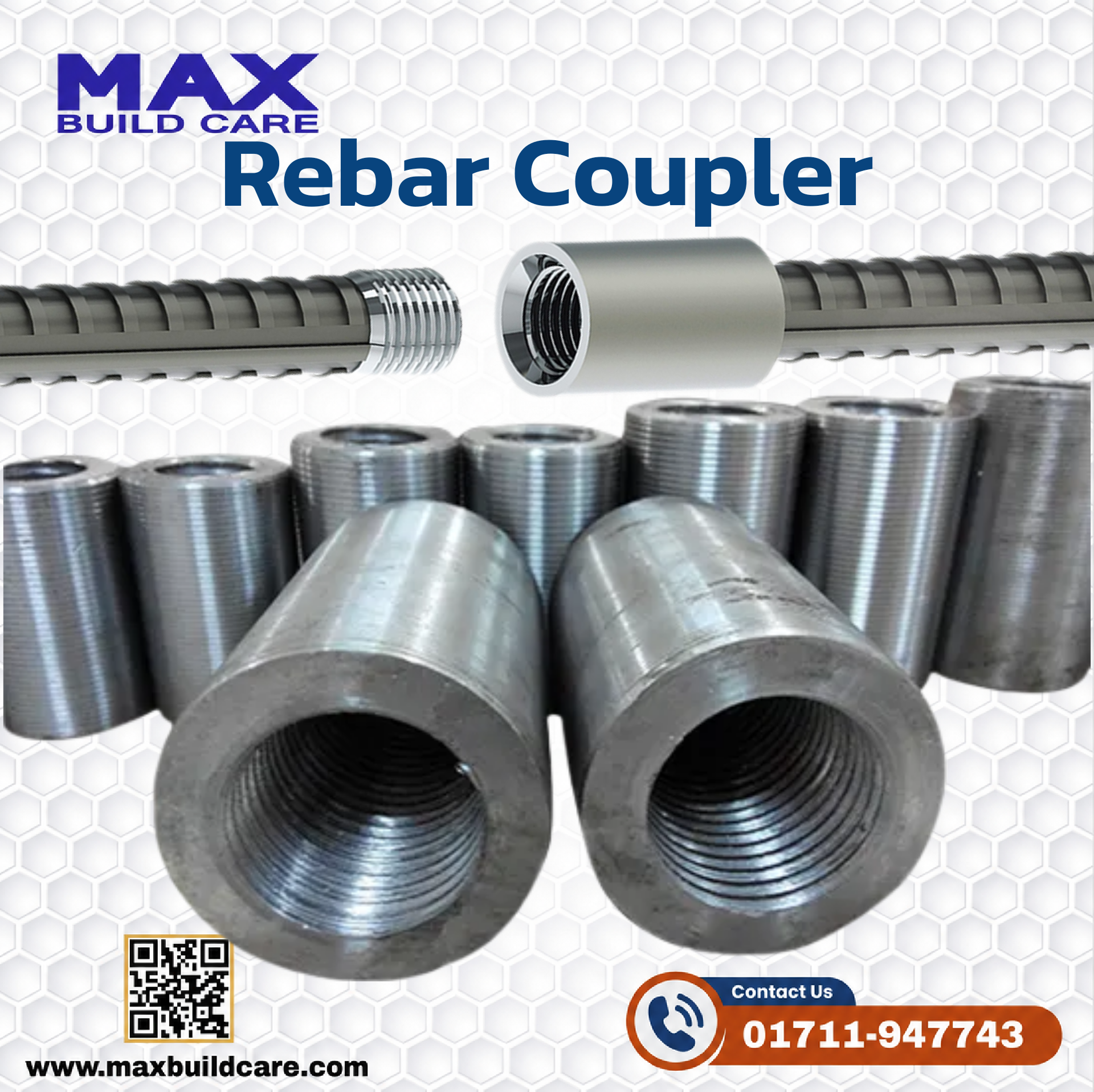
A Rebar Coupler is a specially manufactured mechanical connector used to join reinforcing steel bars end-to-end or, depending on the design, in other configurations. The coupler transfers tensile and/or compressive forces from one reinforcing bar to another, allowing the connected bars to function as a continuous reinforcement system.
Traditional reinforcement connections often rely on overlapping two bars over a specified lap length. In heavily reinforced structural members, this can increase reinforcement congestion and make concrete placement and compaction more difficult. Rebar couplers provide an alternative connection method that can significantly reduce the amount of overlapping reinforcement required.
The exact design, dimensions, thread configuration, material grade, connection capacity, and installation method depend on the selected coupler system and manufacturer.
Key Features and Benefits
High-Strength Mechanical Connection
A properly selected and installed rebar coupler provides a strong mechanical connection between reinforcing bars. The connection is designed to transfer structural forces effectively and maintain continuity of reinforcement.
Reduces Rebar Lap Length
One of the major advantages of mechanical couplers is the reduction or elimination of conventional lap-splice requirements, depending on the structural design and applicable standards. This can help reduce reinforcement congestion.
Reduces Reinforcement Congestion
In heavily reinforced columns, beams, shear walls, foundations, and other structural members, overlapping bars can create congested reinforcement zones. Couplers provide a compact connection that can improve the arrangement of reinforcement.
Efficient Use of Reinforcement Steel
By reducing the need for long overlapping sections, mechanical couplers can help optimize steel consumption. The actual material saving depends on the project design, bar diameter, lap requirements, and coupler specification.
Faster Installation
Once reinforcement bars are correctly prepared, couplers can provide an efficient method of connecting bars. This can support faster reinforcement assembly and improve construction productivity.
Suitable for Large Diameter Bars
Mechanical rebar couplers are particularly useful for larger-diameter reinforcement bars where conventional lap splicing can require substantial quantities of steel and create significant congestion.
Improved Construction Flexibility
Couplers can provide greater flexibility in reinforcement planning, transportation, fabrication, and installation. They are especially useful where reinforcement bars need to be connected in stages.
Applications
Rebar Couplers are widely used in reinforced concrete construction, including:
- High-rise buildings
- Residential towers
- Commercial buildings
- Industrial structures
- Bridges
- Flyovers
- Metro and infrastructure projects
- Foundations
- Pile caps
- Columns
- Beams
- Shear walls
- Core walls
- Retaining walls
- Water-retaining structures
- Tunnels
- Power and industrial plants
- Precast concrete structures
- Heavy-duty reinforced concrete structures
They can be particularly beneficial in structures containing high reinforcement ratios or areas where conventional lap splicing is difficult.
Types of Rebar Couplers
Different structural requirements may require different types of mechanical couplers. Common categories include:
Threaded Rebar Couplers
These couplers use threaded connections to join reinforcing bars. Depending on the system, the rebar ends may be threaded directly or prepared using a specialized threading process.
Parallel Thread Couplers
Parallel-thread systems are designed to provide a mechanical connection through matching threads. They are commonly used where controlled bar-end preparation and precise installation are available.
Taper Thread Couplers
These systems use specially designed tapered threads to create the connection between reinforcement bars.
Mechanical/Gripping Couplers
Some couplers use mechanical gripping or other connection mechanisms instead of conventional threaded systems. Their suitability depends on the manufacturer, bar type, structural requirement, and applicable standards.
The appropriate coupler type should always be selected based on the reinforcement diameter, steel grade, required connection strength, installation conditions, and project specifications.
Installation Procedure
Correct installation is essential to achieving the required performance of a Rebar Coupler.
First, verify that the reinforcement bar diameter and grade are compatible with the selected coupler. Bar ends should be prepared according to the manufacturer’s instructions.
For threaded systems, the bar end is prepared using the specified threading equipment. The thread should be clean, undamaged, and free from excessive contamination.
The coupler is then positioned and connected to the reinforcing bar according to the manufacturer’s installation procedure. The connection should be tightened or assembled using the specified tools and method.
Installers should ensure that the required thread engagement, alignment, tightening torque, or other installation criteria are achieved where applicable.
After installation, the connection should be visually inspected and, where required by the project specification, tested or verified using appropriate quality-control procedures.
Quality Control
Rebar couplers are structural components, so quality control is particularly important. The coupler should be manufactured from suitable materials and tested according to the relevant project requirements and applicable standards.
Important considerations may include:
- Reinforcement bar diameter
- Steel grade
- Coupler material
- Tensile strength
- Yield strength
- Connection strength
- Thread accuracy
- Slip performance
- Installation requirements
- Dimensional tolerances
- Applicable testing standards
For critical structural projects, couplers should be supported by appropriate manufacturer’s certificates, test reports, and technical documentation.
Advantages Compared with Traditional Lap Splicing
Traditional lap splicing can require considerable reinforcement overlap, particularly for larger bar diameters. This may increase steel consumption and reinforcement congestion.
Mechanical couplers can provide a more compact connection and may help improve concrete flow around reinforcement. They can also provide construction advantages where continuous bars are difficult to handle or where reinforcement needs to be installed in separate stages.
However, the selection between lap splicing and mechanical couplers should always be determined by the structural engineer and project design requirements.
Storage and Handling
Rebar Couplers should be stored in a clean and dry location. Protect them from excessive moisture, mud, chemicals, and contaminants that could affect the connection mechanism.
Threaded couplers should be handled carefully to prevent damage to the internal threads. Any protective caps supplied with the product should remain in place until installation.
Before use, inspect the coupler for visible damage, corrosion, contamination, or deformation.
Why Choose Quality Rebar Couplers?
The performance of a mechanical reinforcement connection depends on both product quality and correct installation. A high-quality coupler manufactured to controlled dimensional and material requirements can provide reliable structural performance when properly selected and installed.
For large-scale construction projects, choosing the appropriate coupler system can help improve reinforcement detailing, reduce congestion, optimize construction operations, and support efficient project execution.
Supply in Bangladesh
MAX BUILD CARE supplies construction chemicals, building materials, reinforcement-related products, and construction solutions for projects throughout Bangladesh.
Rebar Couplers can be supplied for residential, commercial, industrial, infrastructure, high-rise, foundation, bridge, and other reinforced concrete projects based on required bar diameter, steel grade, coupler type, quantity, and project specifications.
For project quotations, customers can provide the required rebar diameter, quantity, connection type, and project requirements so that the appropriate coupler specification can be determined.
Conclusion
Rebar Coupler is an efficient mechanical reinforcement connection solution designed to join reinforcing steel bars and provide continuity within reinforced concrete structures. By reducing the need for conventional lap splicing, it can help minimize reinforcement congestion, optimize steel usage, simplify reinforcement detailing, and improve construction efficiency.
It is particularly valuable for high-rise buildings, bridges, foundations, columns, shear walls, industrial structures, and other heavily reinforced concrete applications.
For safe and reliable structural performance, the coupler type, reinforcement grade, connection capacity, installation method, and applicable standards should always be verified by the project structural engineer and in accordance with the manufacturer’s latest technical documentation.




Reviews
There are no reviews yet.