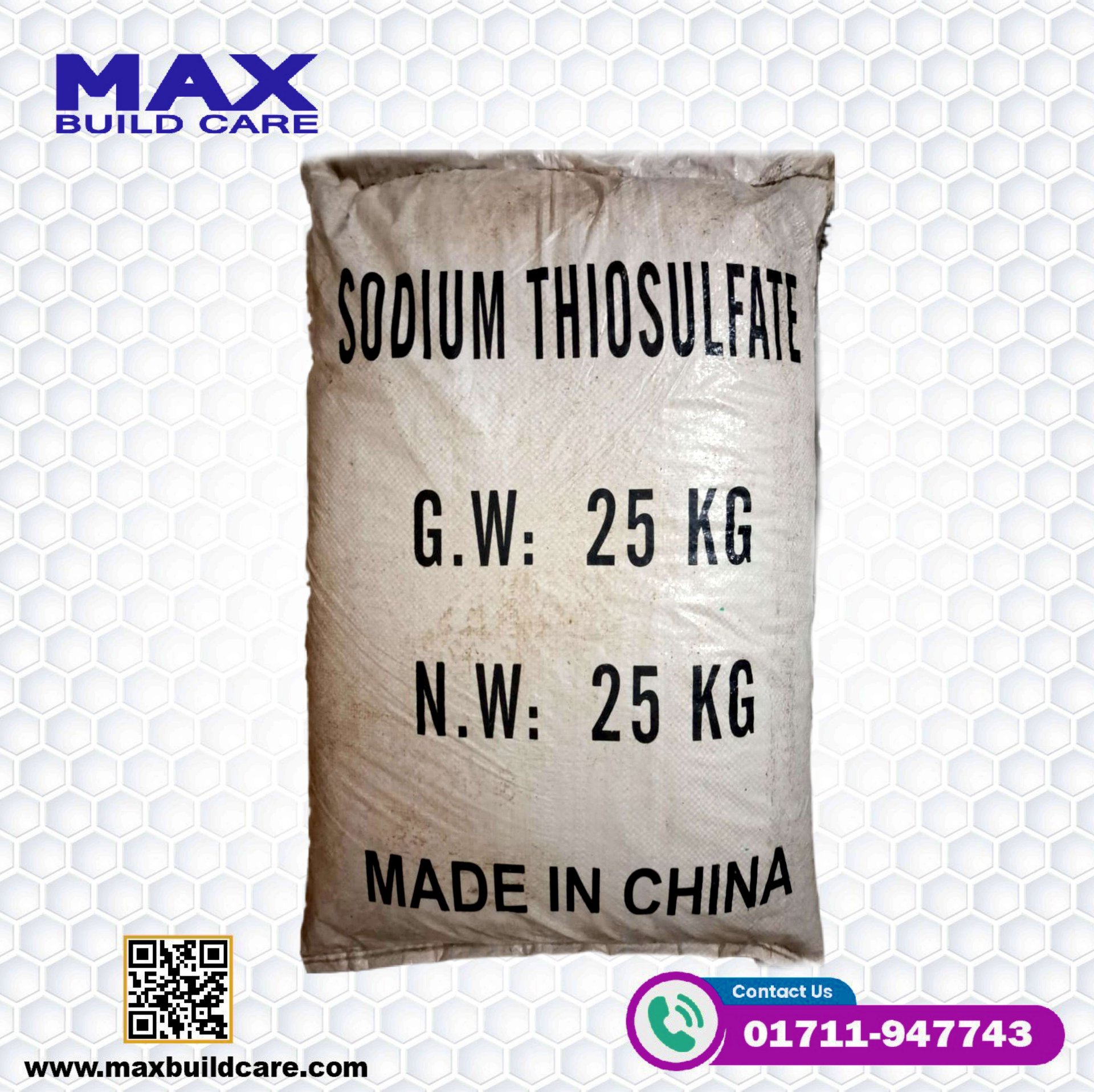
Sodium Thiosulfate (Na₂S₂O₃) is a high-purity, water-soluble inorganic compound widely used in water treatment, dechlorination, photography, and chemical processing for safe and efficient performance.
Sodium Thiosulfate (Na₂S₂O₃) is a high-purity, water-soluble inorganic compound widely recognized for its versatility, chemical stability, and broad range of applications across industrial, commercial, and medical sectors. Known for its reducing and complexing properties, Sodium Thiosulfate serves as a crucial chemical in photography, water treatment, chemical synthesis, medical applications, and laboratory processes. Its excellent solubility, stability, and safe handling characteristics make it a preferred choice for manufacturers and industrial users seeking consistent performance and high-quality results.
—
Chemical and Physical Properties
Sodium Thiosulfate is a white crystalline solid or granules that is highly soluble in water. It is available in both pentahydrate (Na₂S₂O₃·5H₂O) and anhydrous forms, with the pentahydrate form being more commonly used due to its stability and ease of handling.
Key Properties Include:
Chemical Formula: Na₂S₂O₃ (pentahydrate: Na₂S₂O₃·5H₂O)
Appearance: White crystalline powder or granules
Solubility: Highly soluble in water, slightly soluble in glycerol
pH (1% aqueous solution): 5–6.5 (slightly acidic to neutral)
Density: 1.667 g/cm³ (pentahydrate)
Melting Point: 48–50°C (pentahydrate)
Odor: Odorless
Stability: Stable under normal conditions; avoid contact with strong acids and oxidizers
These properties make Sodium Thiosulfate ideal for applications requiring controlled chemical reactions, reducing environments, or neutralization of halogens.
—
Industrial and Commercial Applications
1. Photography and Photographic Fixing
Sodium Thiosulfate is a vital chemical in traditional photography as a photographic fixer:
Dissolves unexposed silver halides from photographic films and papers
Ensures permanent image formation without discoloration
Stabilizes prints and negatives, preventing degradation over time
Commonly referred to as “hypo” in photographic industries
Its effectiveness and reliability make it indispensable in film processing labs and commercial photography.
—
2. Water Treatment Applications
Sodium Thiosulfate is extensively used in water treatment processes to:
Neutralize residual chlorine in municipal and industrial water
Reduce oxidizing agents in wastewater streams
Protect sensitive equipment and aquatic life by removing excess halogens
Serve as a dechlorinating agent in pools, laboratories, and aquaculture
This ensures safe, clean, and chemically balanced water in various applications.
—
3. Medical and Pharmaceutical Uses
In the medical field, Sodium Thiosulfate is valued for its detoxifying and therapeutic properties:
Antidote for cyanide poisoning, converting toxic cyanide into less harmful thiocyanate
Used in chemotherapy treatments to reduce side effects of cisplatin
Administered for calciphylaxis and certain kidney-related conditions
Acts as a neutralizing agent for oxidative drugs and disinfectants
Its safety and effectiveness in therapeutic applications make it a critical pharmaceutical agent.
—
4. Chemical Industry and Laboratory Applications
Sodium Thiosulfate is widely used as a reducing agent, titrant, and complexing agent:
Reduces halogens and iodine in chemical reactions
Serves as a key reagent in iodometry and analytical chemistry
Used in the synthesis of thiourea, thiosulfonates, and other sulfur-containing compounds
Acts as a stabilizer for oxidizing agents in laboratory and industrial processes
Its versatility ensures precise and controlled chemical reactions in scientific and industrial settings.
—
5. Photographic, Cleaning, and Textile Uses
Beyond industrial applications, Sodium Thiosulfate is utilized in:
Textile bleaching processes to remove residual chlorine
Cleaning and neutralizing agents in laboratories and households
Stabilizing solutions and reducing chemical residues on treated fabrics and surfaces
Its safe handling and effectiveness make it suitable for commercial, household, and industrial cleaning formulations.
—
Advantages of Sodium Thiosulfate
High-purity grade ensures consistent and reliable performance
Water-soluble and easy to handle
Versatile across multiple industries, including photography, water treatment, pharmaceuticals, chemical manufacturing, and textiles
Acts as a reducing, neutralizing, and complexing agent
Safe, non-toxic, and environmentally friendly when used properly
Stable and reliable for industrial and laboratory applications
These advantages make Sodium Thiosulfate a trusted chemical for industrial users, manufacturers, laboratories, and medical professionals worldwide.
—
Handling and Storage
To maintain chemical stability and performance:
Store in a cool, dry, and well-ventilated area
Keep containers tightly sealed to prevent moisture absorption
Avoid contact with strong acids, oxidizing agents, and reactive chemicals
Use personal protective equipment (PPE) including gloves, goggles, and masks during handling
Prevent inhalation or direct skin contact
Proper storage ensures long shelf life, optimal performance, and safe usage across all applications.
—
Conclusion