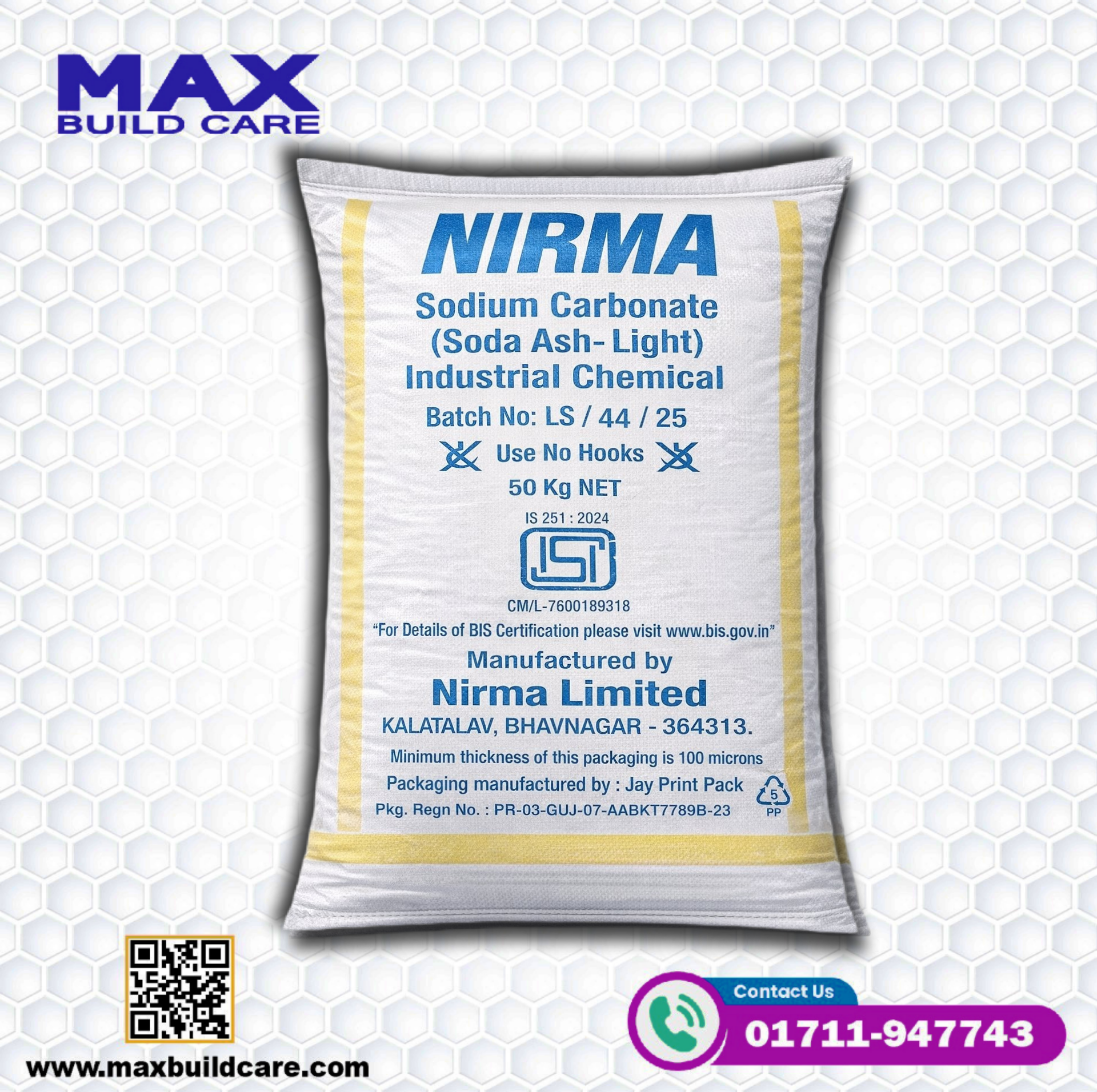
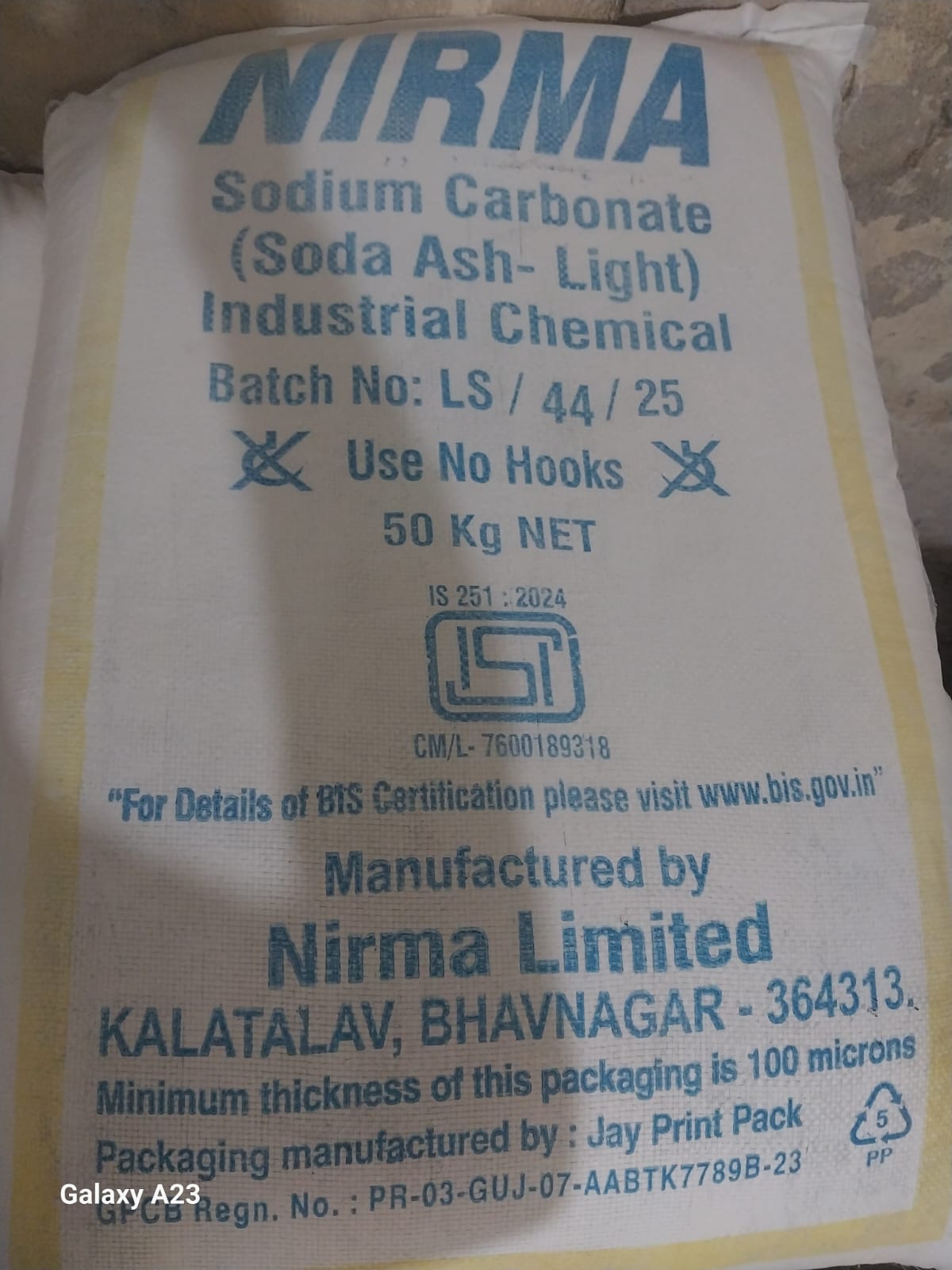
Sodium Carbonate (Na₂CO₃)
Sodium Carbonate is a widely used alkaline chemical also known as soda ash. It is used in glass manufacturing, detergents, water treatment, and chemical processing. It helps regulate pH, soften water, and improve cleaning efficiency in various industrial and commercial applications.
Sodium Carbonate (Na₂CO₃), commonly known as Soda Ash, is one of the most widely used inorganic alkaline chemicals in global industry. It appears as a white crystalline powder or granular solid and is highly soluble in water. Due to its strong alkaline nature and excellent chemical stability, sodium carbonate plays a vital role in numerous industrial, manufacturing, and environmental applications. It is considered a fundamental raw material for the production of glass, detergents, chemicals, and water treatment products.
Sodium carbonate has been used for centuries, originally derived from natural mineral deposits such as trona ore and later produced through industrial chemical processes like the Solvay process. Today, it is manufactured on a large scale to meet global industrial demand, ensuring consistent purity, controlled particle size, and reliable chemical performance.
Chemical Identity and Physical Properties
Sodium carbonate is an inorganic salt composed of sodium, carbon, and oxygen atoms. It is known for its strong alkaline characteristics and ability to neutralize acids.
Chemical Formula: Na₂CO₃
Molecular Weight: 105.99 g/mol
Appearance: White crystalline powder or granules
Odor: Odorless
Solubility: Highly soluble in water
pH (1% solution): Approximately 11–12
When dissolved in water, sodium carbonate forms an alkaline solution capable of reacting with acids, fats, and other chemical compounds. Its stable chemical structure allows it to maintain effectiveness under various industrial conditions.
Production Process
Modern sodium carbonate is primarily produced using two main methods:
1. Natural Soda Ash Mining
Large deposits of trona ore found in certain regions are processed and refined to produce natural soda ash. This method is environmentally efficient and produces high-purity sodium carbonate.
2. Solvay Process (Synthetic Production)
The Solvay process involves reacting sodium chloride (salt) with ammonia and carbon dioxide to form sodium carbonate through a series of controlled chemical reactions. This process has been widely used for more than a century and allows large-scale industrial production.
Both production methods ensure the supply of high-quality soda ash suitable for a wide range of industrial uses.
Major Industrial Applications
Glass Manufacturing
The largest application of sodium carbonate is in the glass industry. It serves as a key raw material in the production of:
Flat glass
Container glass
Fiberglass
Specialty glass products
Sodium carbonate lowers the melting point of silica (sand), reducing energy consumption during glass production and improving manufacturing efficiency.
Detergents and Cleaning Products
Sodium carbonate is a crucial ingredient in laundry detergents, dishwashing powders, and industrial cleaners. It acts as:
A water softener
A pH regulator
A grease-removal agent
By removing calcium and magnesium ions from water, it improves the cleaning power of detergents and enhances washing efficiency.
Water Treatment
In water treatment facilities, sodium carbonate is used to:
Adjust pH levels
Neutralize acidic water
Remove heavy metals
Improve water quality
It plays an important role in municipal water systems, swimming pools, and industrial wastewater treatment plants.
Chemical Manufacturing
Sodium carbonate serves as an intermediate raw material for producing various chemicals, including:
Sodium bicarbonate
Sodium silicate
Sodium chromate
Sodium phosphates
These chemicals are used in industries such as construction, paper production, ceramics, and metallurgy.
Textile and Dyeing Industry
In textile processing, sodium carbonate helps fix dyes onto fabric fibers. It improves dye absorption and ensures uniform coloring during fabric treatment.
Pulp and Paper Industry
In paper manufacturing, soda ash is used to regulate pH levels and assist in pulping and bleaching processes.
Advantages of Sodium Carbonate
Sodium carbonate offers several advantages that make it essential in industrial production:
Strong alkaline properties
Effective water softening ability
High chemical stability
Excellent solubility in water
Cost-effective industrial chemical
Wide compatibility with other chemical processes
These properties allow sodium carbonate to perform efficiently in many industrial environments.
Storage and Handling
Sodium carbonate should be stored in a cool, dry, and well-ventilated environment. Exposure to moisture may cause the powder to harden or form lumps. It is usually supplied in 25 kg bags, jumbo bags, or bulk packaging depending on industrial requirements.
When handling sodium carbonate in large quantities, protective equipment such as gloves, masks, and safety goggles is recommended to avoid irritation caused by dust particles.
Safety Considerations
Although sodium carbonate is not considered highly hazardous, it is still an alkaline chemical. Direct contact with eyes or prolonged exposure to skin may cause irritation. Proper industrial safety practices and workplace hygiene should always be maintained.
Conclusion
Sodium Carbonate (Na₂CO₃) is a fundamental industrial chemical widely used in glass manufacturing, detergents, water treatment, textile processing, and chemical production. Its strong alkaline nature, excellent solubility, and reliable chemical stability make it an indispensable material for modern industrial processes. With its versatility and cost-effective performance, sodium carbonate continues to play a crucial role in supporting manufacturing industries and improving production efficiency worldwide.