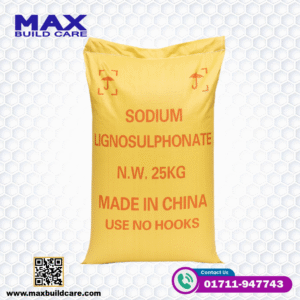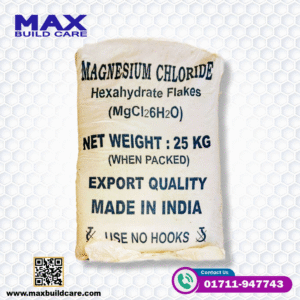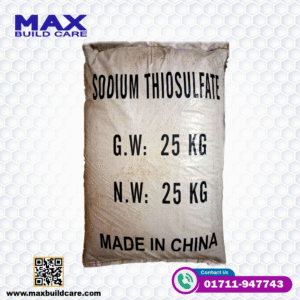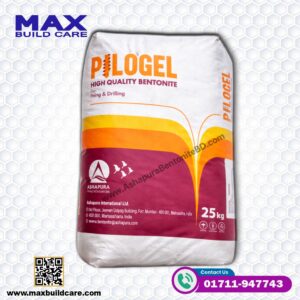
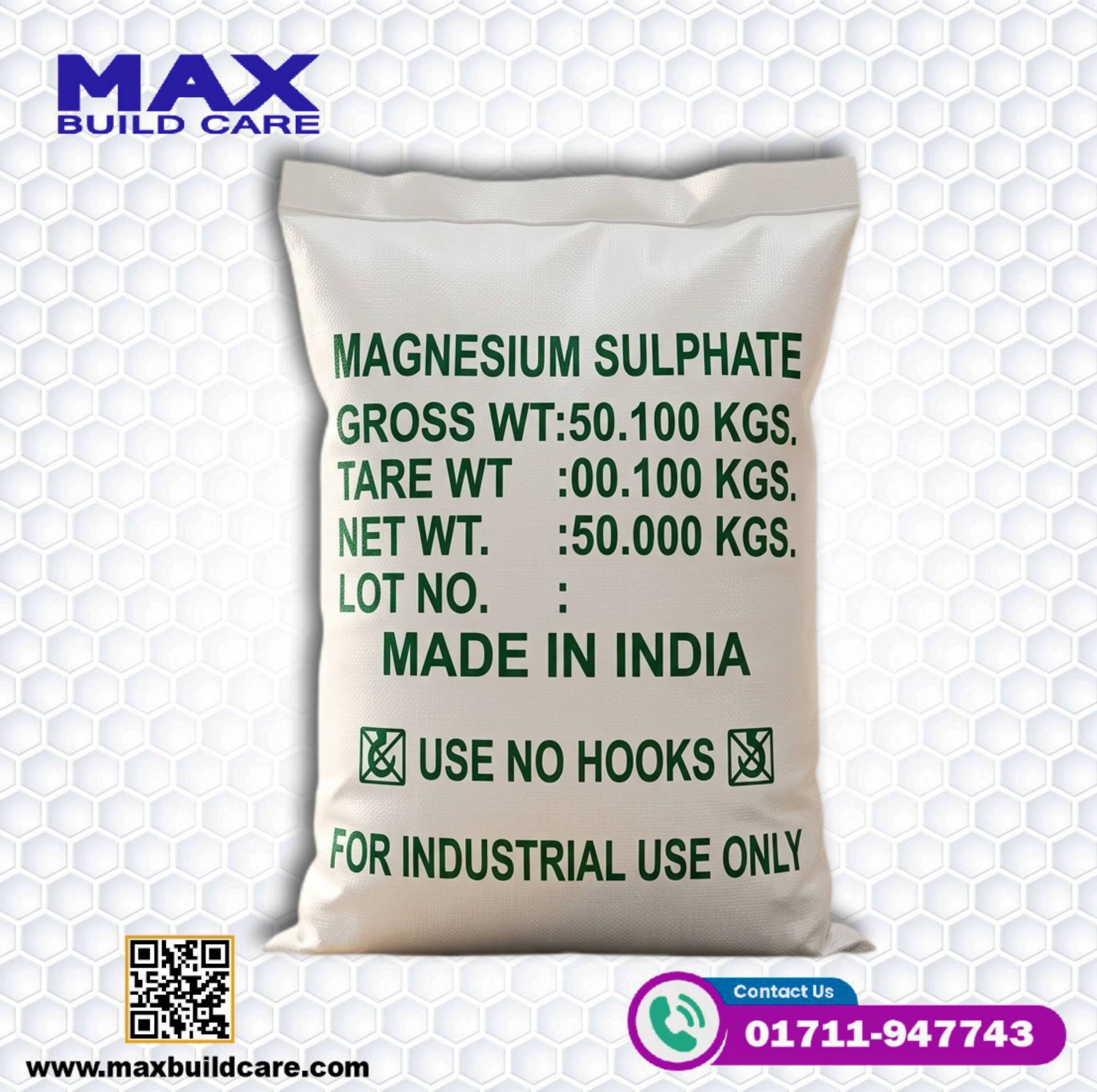
Magnesium Sulphate (MgSO₄) is a high-quality inorganic compound widely used in agriculture and industry. It provides essential magnesium (Mg) and sulfur (S), which are important for plant chlorophyll formation, healthy growth, and improved crop yield. It is highly soluble in water and quickly absorbed by plants, making it an effective fertilizer for correcting magnesium deficiency in soil.
Magnesium Sulphate (MgSO₄) is a highly valuable inorganic compound widely used in agriculture, industry, and various commercial applications. It is commonly known as Epsom Salt in its heptahydrate form. This compound provides two essential nutrients—magnesium (Mg) and sulfur (S)—which play a critical role in plant nutrition, soil health, and metabolic functions. Due to its high solubility and quick absorption, Magnesium Sulphate is considered one of the most efficient sources of magnesium fertilizer in modern agriculture.
Magnesium Sulphate is composed of magnesium, sulfur, and oxygen, forming the chemical formula MgSO₄. It is available in different hydrated forms, most commonly as MgSO₄·7H₂O (heptahydrate). The compound appears as a white crystalline powder or granules, fully soluble in water, making it highly effective for both soil application and foliar spraying.
Its excellent solubility allows plants to absorb nutrients quickly, ensuring immediate correction of magnesium deficiency. This makes it an essential input in precision farming and intensive agricultural systems.
Magnesium is a central element in chlorophyll molecules, which are responsible for photosynthesis. Without sufficient magnesium, plants cannot effectively convert sunlight into energy, leading to reduced growth and poor yield. Magnesium also activates many enzymes that are essential for plant metabolism, carbohydrate transport, and energy production.
When applied through Magnesium Sulphate, plants receive an immediate and balanced supply of magnesium, resulting in greener leaves, stronger stems, and improved overall health.
Sulfur is another essential nutrient provided by Magnesium Sulphate. It plays a key role in protein synthesis, enzyme activity, and the formation of vitamins and amino acids in plants. Sulfur also enhances the flavor, aroma, and nutritional quality of crops such as onions, garlic, tea, and oilseeds.
The combined presence of magnesium and sulfur makes this compound highly effective in improving both crop yield and quality.
Magnesium Sulphate offers multiple benefits that make it a preferred fertilizer among farmers and agronomists:
Because of these advantages, it is widely used in modern agriculture to ensure balanced plant nutrition and high productivity.
Magnesium Sulphate is suitable for a wide variety of crops, including:
It is especially beneficial for soils that are low in magnesium or have been intensively cultivated for long periods. Farmers often use it as both a preventive and corrective fertilizer to maintain soil fertility.
Apart from agriculture, Magnesium Sulphate is also used in several industrial and commercial sectors:
Its versatility makes it an important compound in multiple industries beyond agriculture.
Magnesium Sulphate is a stable, odorless compound with excellent water solubility. It is non-flammable and easy to handle under normal storage conditions. Its crystalline structure ensures consistent performance and uniform nutrient distribution when applied to crops.
To maintain product quality, Magnesium Sulphate should be stored in a dry, cool, and well-ventilated place. It must be kept away from moisture and direct sunlight to prevent clumping or degradation. Proper packaging ensures long shelf life and maintains its effectiveness for agricultural use.
Magnesium Sulphate (MgSO₄) is an essential nutrient source that plays a vital role in improving plant health, crop yield, and soil fertility. Its high solubility, fast absorption, and dual nutrient supply (magnesium and sulfur) make it an indispensable fertilizer for modern agriculture.
Whether used in field crops, horticulture, or plantation farming, Magnesium Sulphate consistently delivers superior results by enhancing photosynthesis, strengthening plant structure, and improving overall productivity. For farmers seeking high-quality yields and sustainable soil management, it remains one of the most reliable and effective agricultural inputs available today.
+880 9638-076453
+8801711-947743
maxbuildcarebd@gmail.com
43,Kazi Nazrul Islam Avenue, Kawran Bazar Comercial Area, Dhaka-1215, Bangladesh.
Chunkutia Chowrasta,
South Keraniganj, Dhaka-1310, Bangladesh.
123/2 Jail Road,
South Keraniganj, Dhaka-1310, Bangladesh.