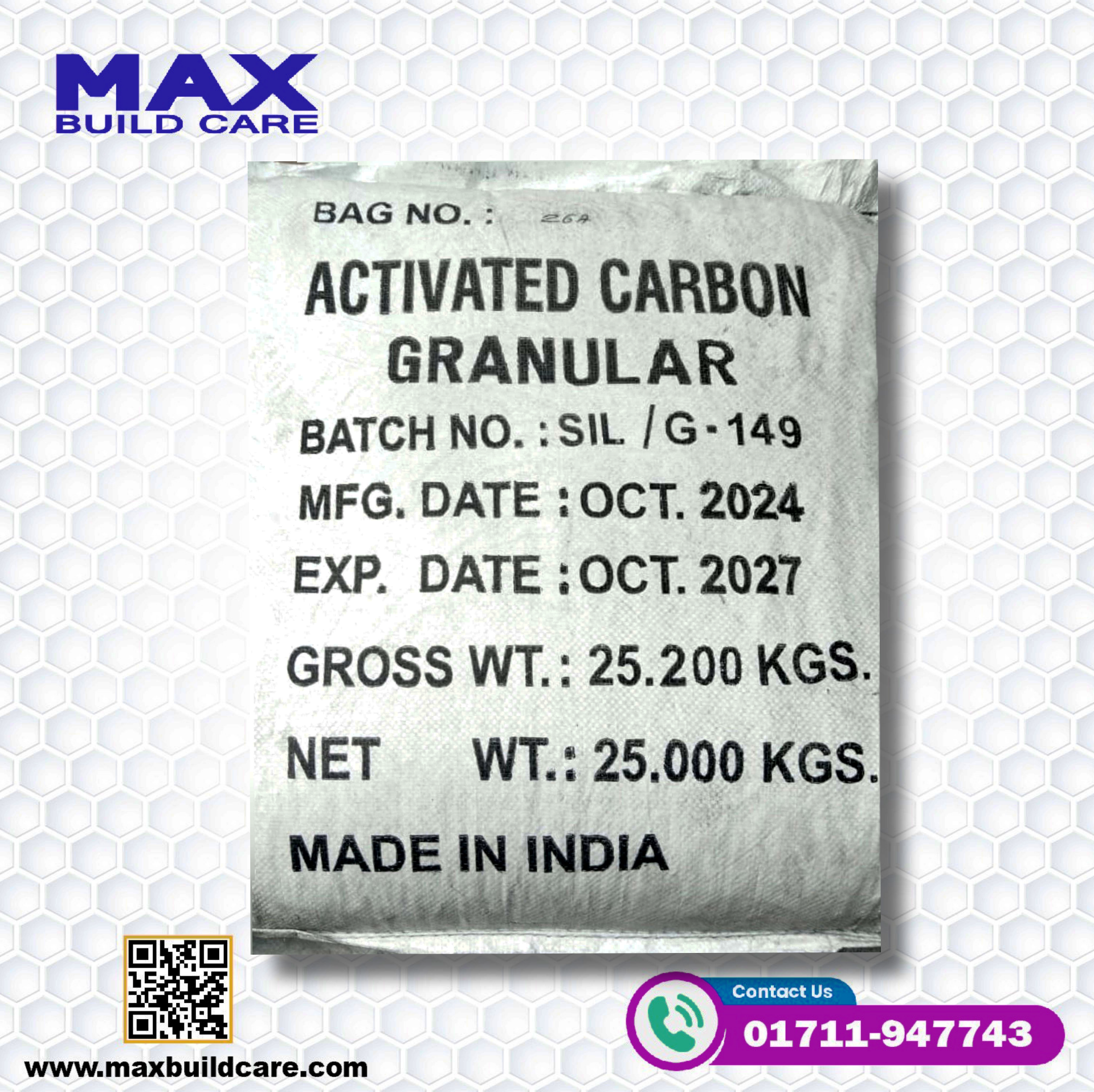
Activated Carbon Granular (ACG) is a highly porous, carbon-based adsorbent widely used for removing impurities, odors, and contaminants from water, air, and industrial solutions. Its large surface area ensures efficient adsorption of organic compounds, chlorine, and toxic gases, making it essential for water purification, air filtration, chemical processing, and environmental protection applications.
Activated Carbon Granular (ACG) is a highly porous, carbon-based adsorbent recognized globally for its exceptional adsorption properties, chemical stability, and versatility. Produced from high-quality carbonaceous materials such as coconut shells, coal, wood, or peat, activated carbon undergoes a controlled activation process that develops a vast network of pores and an extremely high surface area, which allows it to adsorb a wide variety of contaminants efficiently. Its unique physical and chemical properties make it indispensable across water treatment, air purification, industrial processes, food and beverage production, and environmental protection applications.
—
Physical and Chemical Properties
Activated Carbon Granular is characterized by its black, granular form with irregular shapes that maximize surface area for effective adsorption. It is chemically inert, thermally stable, and resistant to moisture and most chemicals, making it highly reliable in diverse applications.
Key Properties Include:
Appearance: Black granular solid
Odor: Odorless
Density: 0.45–0.55 g/cm³ (bulk density, varies by grade)
Iodine Number: 900–1100 mg/g (indicative of high adsorption capacity)
Surface Area: Typically 800–1200 m²/g
Moisture Content: 5% maximum
Particle Size: 2–5 mm (customizable according to application)
pH (aqueous slurry): 6–9
The high porosity, surface area, and mechanical strength of granular activated carbon make it a premium choice for effective contaminant removal and industrial efficiency.
—
Applications of Activated Carbon Granular
1. Water Treatment
Activated Carbon Granular is widely used for purifying drinking water and treating industrial wastewater:
Removes chlorine, chloramines, and other disinfectants from municipal water
Eliminates organic compounds, pesticides, and industrial pollutants
Reduces color, taste, and odor in water
Ensures safe and clean water for residential, commercial, and industrial use
Its high adsorption capacity and regeneration ability make it a cost-effective solution for large-scale water treatment plants.
—
2. Air and Gas Purification
Granular activated carbon is extensively used in air and gas filtration:
Removes volatile organic compounds (VOCs), odors, and toxic gases
Used in industrial emissions control, air purifiers, and respiratory protection equipment
Captures hydrocarbons and chemical vapors in chemical plants
Protects workers and environments from harmful airborne contaminants
Its high porosity ensures efficient adsorption of pollutants, contributing to cleaner and safer air.
—
3. Industrial and Chemical Applications
Activated Carbon Granular is essential in various industrial processes:
Catalyst support in chemical reactions
Purification of organic and inorganic compounds
Dechlorination of industrial effluents
Refining of solvents, alcohols, and petrochemical products
Its adsorptive efficiency and chemical stability make it a reliable choice for demanding industrial applications.
—
4. Food and Beverage Industry
In the food and beverage sector, activated carbon is used for decolorization, deodorization, and purification:
Removes unwanted colors and odors in sugar, beverages, oils, and syrups
Purifies edible oils by adsorbing peroxides and impurities
Ensures consistent quality, taste, and appearance in food products
Safe for food-grade applications when using appropriate grades
Its ability to retain essential flavor compounds while removing contaminants makes it highly valued in food processing.
—
5. Environmental Applications
Activated Carbon Granular plays a crucial role in environmental protection:
Treats industrial effluents and stormwater
Removes hazardous chemicals and pollutants from soil and water
Mitigates environmental contamination in chemical plants and wastewater treatment
Supports compliance with environmental regulations
Its eco-friendly nature and high adsorption efficiency contribute to sustainable industrial operations.
—
Advantages of Activated Carbon Granular
High surface area and porosity ensures superior adsorption
Versatile applications across water treatment, air purification, food, pharmaceuticals, and industrial processes
Chemically stable and inert under normal conditions
Cost-effective and reusable through regeneration
Environmentally friendly alternative to chemical treatments
Safe for food and medical-grade applications
Efficient in removing odors, colors, toxic compounds, and organic contaminants
These advantages make ACG a preferred choice for industries worldwide seeking high efficiency and reliability.
—
Handling and Storage
Proper storage and handling are essential to maintain performance and longevity:
Store in a cool, dry, and well-ventilated area
Keep containers tightly closed to prevent moisture absorption
Avoid contact with strong oxidizing agents or flammable materials
Use PPE (gloves, masks, goggles) during handling to prevent dust inhalation
Correct storage ensures long shelf life, consistent adsorption performance, and safe usage.
—
Conclusion
Activated Carbon Granular (ACG) is a high-performance, versatile, and eco-friendly adsorbent. Its superior adsorption capacity, chemical stability, and wide-ranging applications make it indispensable across water treatment, air purification, industrial chemical processing, food and beverage refining, and environmental protection sectors. With high purity, reliable performance, and safety, granular activated carbon continues to be a trusted solution for industries and households worldwide, ensuring cleaner water, safer air, and improved product quality in all applications.
+880 9638-076453
+8801711-947743
maxbuildcarebd@gmail.com
28 Kawran Bazar, Taj-Mention,Tejgaon, Dhaka-1215, Bangladesh.
Chunkutia Chowrasta,
South Keraniganj, Dhaka-1310, Bangladesh.
123/2 Jail Road,
South Keraniganj, Dhaka-1310, Bangladesh.