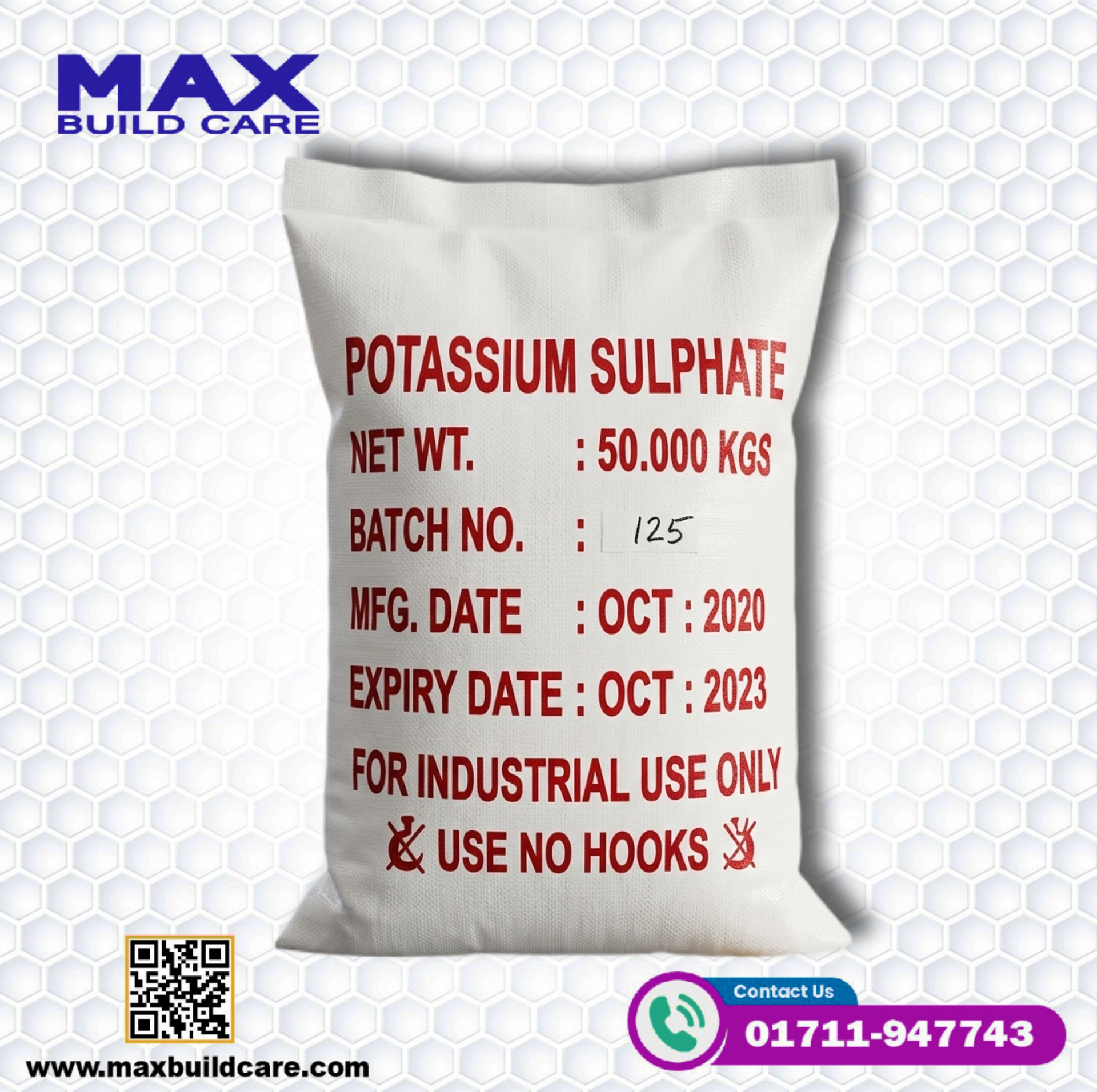
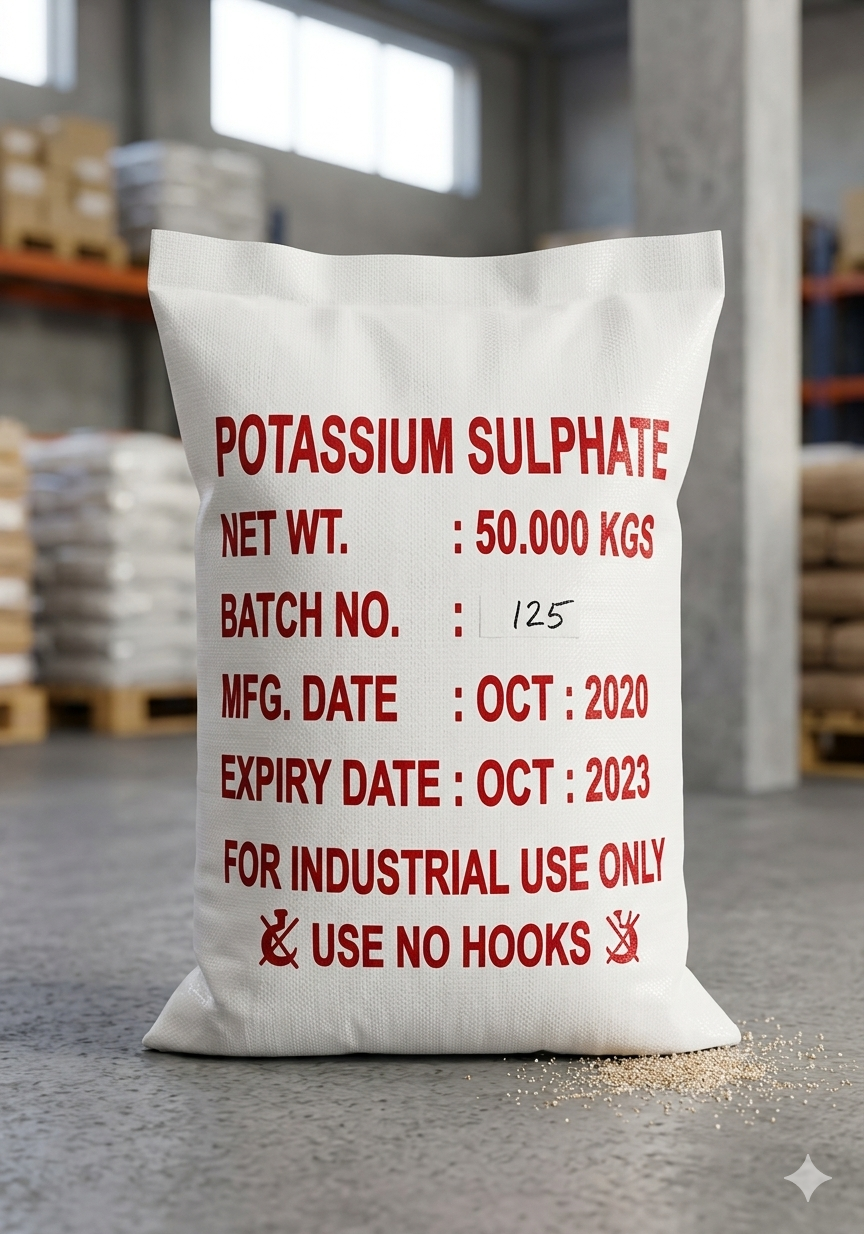
Potassium Sulphate (K₂SO₄) is a high-quality, chloride-free potassium fertilizer widely used in agriculture. It supplies essential potassium (K) and sulfur (S) that improve plant growth, increase crop yield, and enhance product quality. It is especially suitable for chloride-sensitive crops and modern irrigation systems.
Potassium Sulphate (K₂SO₄) is a premium-grade, chloride-free inorganic fertilizer that provides essential potassium (K) and sulfur (S) for optimal plant growth and high agricultural productivity. It is widely recognized in modern agriculture as one of the safest and most efficient sources of potassium, especially for chloride-sensitive crops. Its balanced nutrient composition, high solubility, and excellent crop compatibility make it a preferred choice for farmers, agronomists, and commercial growers worldwide.
Potassium Sulphate is composed of potassium (K₂O equivalent around 50–52%) and sulfur (approximately 17–18%). It is a white crystalline or granular material that is highly stable and free from chloride content. The absence of chloride makes it significantly safer for crops that are sensitive to salt accumulation in soil.
This fertilizer is moderately soluble in water and can be applied through soil broadcasting, fertigation systems, or drip irrigation. Its controlled nutrient release ensures steady absorption by plants, promoting consistent growth and development.
Potassium is one of the three primary macronutrients essential for plant health. It plays a crucial role in regulating water movement within plant cells, activating enzymes, and improving photosynthesis efficiency. Potassium also strengthens plant tissues, making crops more resistant to drought, disease, and environmental stress.
Adequate potassium supply results in stronger stems, better root development, and improved overall plant vigor. It also enhances the transport of sugars and nutrients within the plant system, which directly contributes to higher yield and better crop quality.
Sulfur is another essential nutrient supplied by Potassium Sulphate. It is required for protein synthesis, enzyme activation, and chlorophyll formation. Sulfur also plays an important role in improving the flavor, aroma, and nutritional value of crops.
In crops like onion, garlic, mustard, and oilseeds, sulfur significantly enhances quality characteristics and increases market value. The presence of sulfur in Potassium Sulphate ensures balanced plant nutrition and improved metabolic activity.
Potassium Sulphate offers a wide range of agronomic benefits that contribute to both yield improvement and crop quality enhancement:
These benefits make it an essential fertilizer in both traditional and modern precision farming systems.
Potassium Sulphate is suitable for a wide variety of crops, especially those sensitive to chloride. It is commonly used in:
It is also widely used in drip irrigation and fertigation systems due to its compatibility with modern agricultural technologies. Farmers prefer it for high-value crops where both yield and quality are equally important.
One of the key advantages of Potassium Sulphate is its positive impact on soil health. Since it is chloride-free, it does not increase soil salinity or cause long-term degradation. Instead, it helps maintain a balanced nutrient profile in the soil, supporting sustainable agricultural practices.
Its sulfate content also improves soil chemistry and nutrient availability, ensuring long-term fertility and productivity. This makes it ideal for intensive farming systems where soil health management is critical.
Potassium Sulphate is a stable, odorless, white crystalline or granular material. It is non-hygroscopic under normal conditions and easy to store and handle. Its physical stability ensures long shelf life and consistent performance in agricultural applications.
To maintain quality and effectiveness, Potassium Sulphate should be stored in a dry, cool, and well-ventilated area. It must be protected from moisture and direct sunlight. Proper packaging ensures product stability and prevents caking or contamination during storage.
Potassium Sulphate (K₂SO₄) is a highly efficient and premium agricultural fertilizer that delivers essential potassium and sulfur in a safe, balanced, and plant-friendly form. Its chloride-free nature, excellent nutrient efficiency, and wide crop compatibility make it one of the most reliable fertilizers in modern agriculture.
It consistently improves crop yield, enhances quality, and supports sustainable soil management practices. For farmers aiming for high productivity, better crop quality, and long-term soil health, Potassium Sulphate remains an indispensable agricultural input in today’s competitive farming environment.
+880 9638-076453
+8801711-947743
maxbuildcarebd@gmail.com
43,Kazi Nazrul Islam Avenue, Kawran Bazar Comercial Area, Dhaka-1215, Bangladesh.
Chunkutia Chowrasta,
South Keraniganj, Dhaka-1310, Bangladesh.
123/2 Jail Road,
South Keraniganj, Dhaka-1310, Bangladesh.