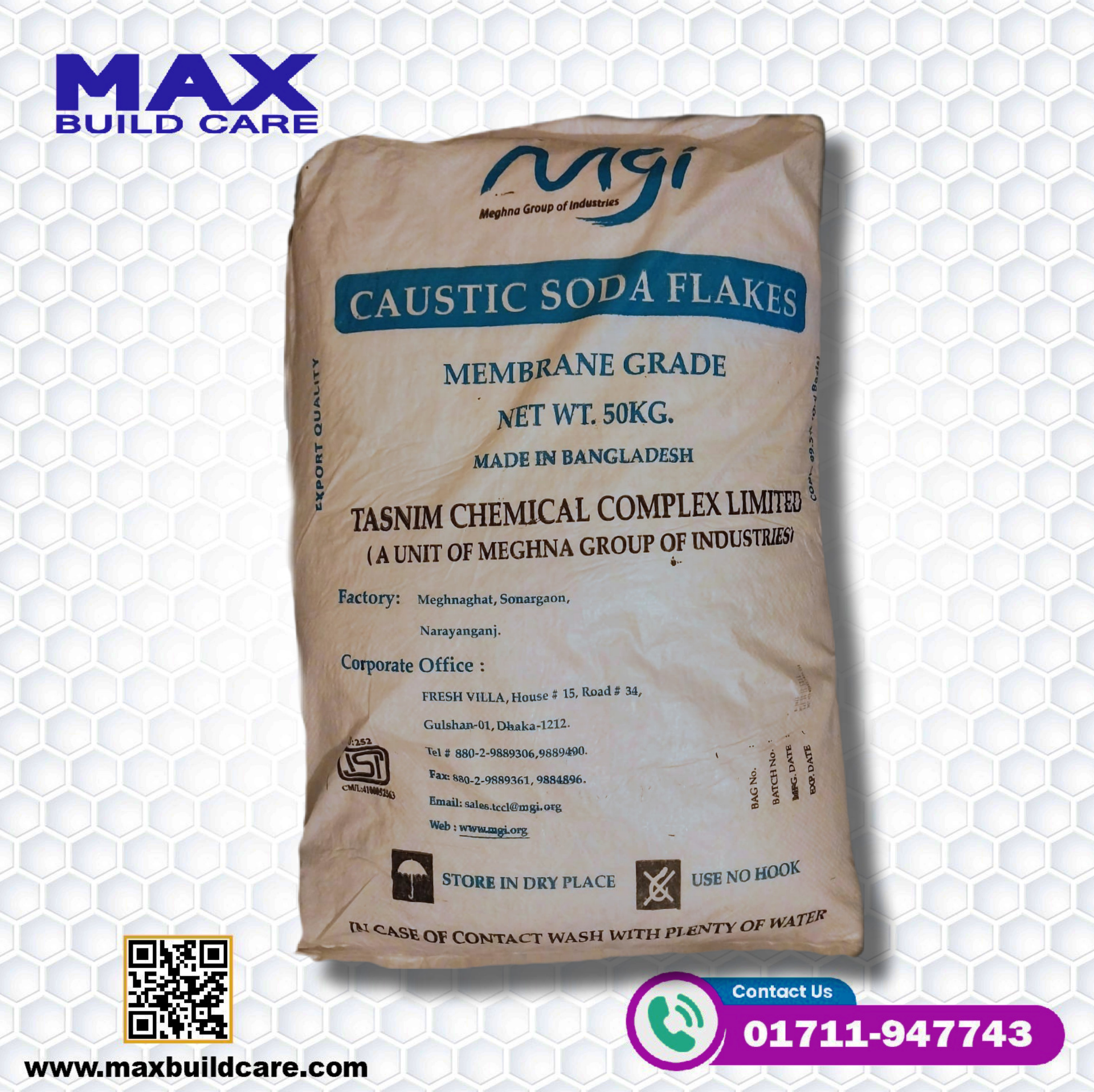
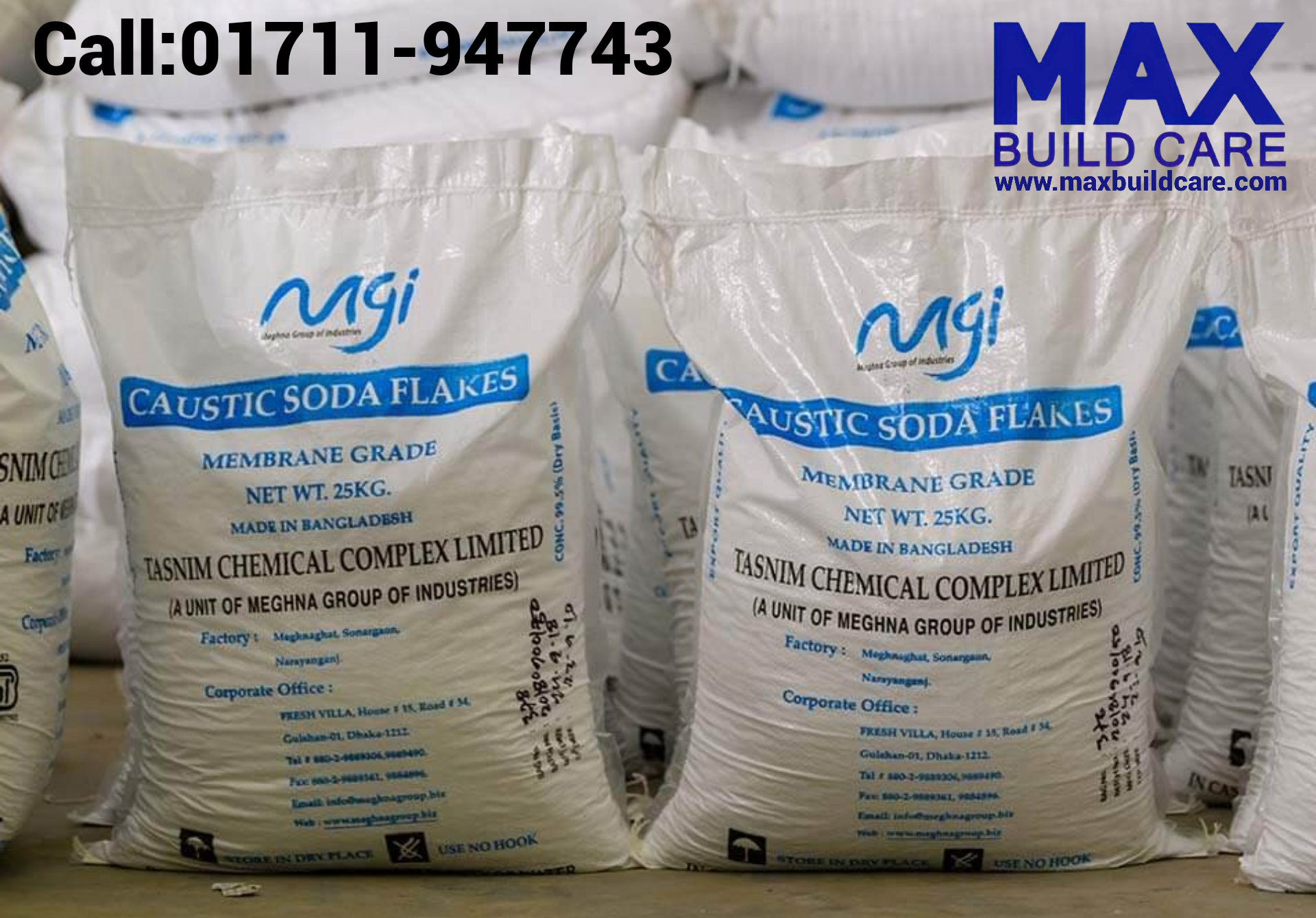
Caustic Soda is a highly alkaline and corrosive chemical widely used in soap, textile, paper, and chemical industries. It is commonly available in flakes or solid form and is essential for pH control, cleaning, and industrial manufacturing processes.
Chemical Formula: NaOH
Appearance: White flakes, pellets, or solid form
Caustic Soda, chemically known as Sodium Hydroxide (NaOH), is a highly versatile and strongly alkaline inorganic chemical widely used in various industrial processes around the world. It is one of the most important basic chemicals in the manufacturing sector and plays a vital role in soap production, textile processing, paper manufacturing, water treatment, petroleum refining, and chemical industries.
Caustic soda is typically produced through the electrolysis of sodium chloride (salt) solution in a process known as the chlor-alkali process. The resulting product is highly pure and available in different forms such as flakes, pearls, pellets, and liquid solutions. Due to its powerful alkaline properties, caustic soda is capable of dissolving grease, oils, fats, and organic materials efficiently.
It is a hygroscopic substance, meaning it readily absorbs moisture and carbon dioxide from the atmosphere. When dissolved in water, it releases a significant amount of heat, forming a highly alkaline solution suitable for numerous industrial applications.
Caustic soda is composed of sodium (Na), oxygen (O), and hydrogen (H) atoms arranged in a simple ionic structure.
NaOH
It is highly soluble in water and alcohol but insoluble in ether and non-polar solvents. The strong alkaline nature of sodium hydroxide makes it extremely reactive with acids and various organic compounds.
Caustic Soda offers several important industrial properties:
These properties make it suitable for a wide range of industrial and commercial applications.
Caustic soda is primarily produced by the chlor-alkali process, where brine (saltwater) undergoes electrolysis.
The produced sodium hydroxide solution is then concentrated and converted into flakes, pellets, or other commercial forms.
Caustic soda is a key raw material in soap manufacturing through the saponification process, where fats and oils react with alkali to produce soap.
Used in fabric processing, dyeing, bleaching, and mercerizing cotton to improve strength and dye absorption.
Essential for pulping wood and removing lignin during paper production.
Used to adjust pH levels and neutralize acidic water in industrial and municipal treatment systems.
Acts as a basic raw material in the production of various chemicals, solvents, and intermediates.
Used for removing impurities and acidic compounds from petroleum products.
Used in controlled applications such as food processing, cleaning, and pH adjustment.
Because caustic soda is highly corrosive, proper handling procedures are essential:
Improper handling may cause severe burns and irritation.
Caustic soda is generally supplied in:
Store in a dry, cool, and well-ventilated area away from moisture, acids, and incompatible materials. Since it absorbs moisture rapidly, containers should remain tightly sealed.
Caustic soda is highly corrosive and should be handled carefully. In case of contact:
Follow standard industrial safety procedures and local regulations during storage and use.
Caustic Soda (Sodium Hydroxide – NaOH) is one of the most important industrial chemicals used worldwide. Its strong alkaline properties, high reactivity, and excellent cleaning capability make it essential in soap manufacturing, textiles, paper, water treatment, petroleum refining, and chemical processing industries. With versatile applications, reliable performance, and cost-effectiveness, caustic soda remains a fundamental raw material in modern industrial production and manufacturing operations.
+880 9638-076453
+8801711-947743
maxbuildcarebd@gmail.com
28 Kawran Bazar, Taj-Mention,Tejgaon, Dhaka-1215, Bangladesh.
Chunkutia Chowrasta,
South Keraniganj, Dhaka-1310, Bangladesh.
123/2 Jail Road,
South Keraniganj, Dhaka-1310, Bangladesh.