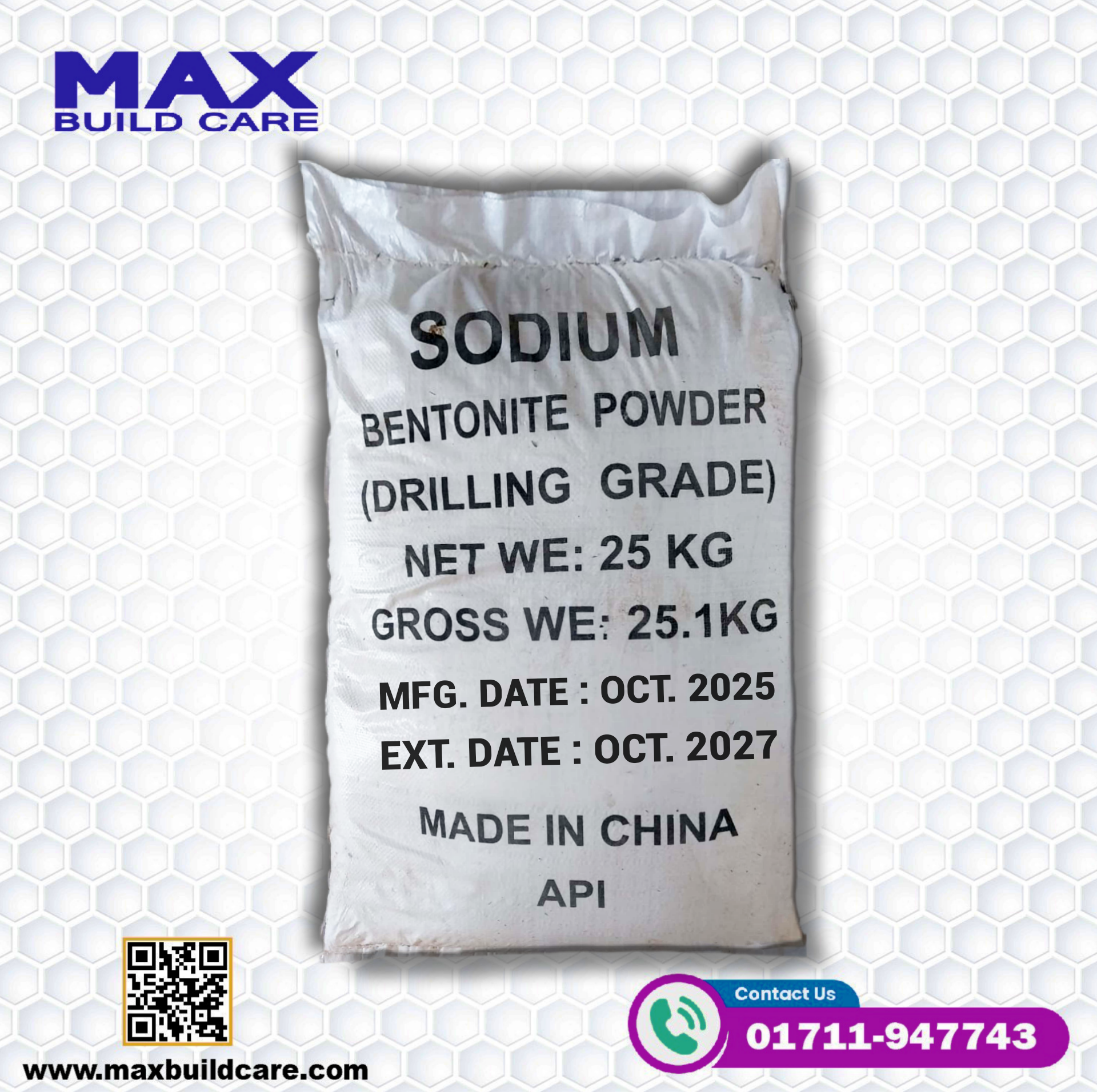
Sodium Bentonite Powder
৳ 1.00
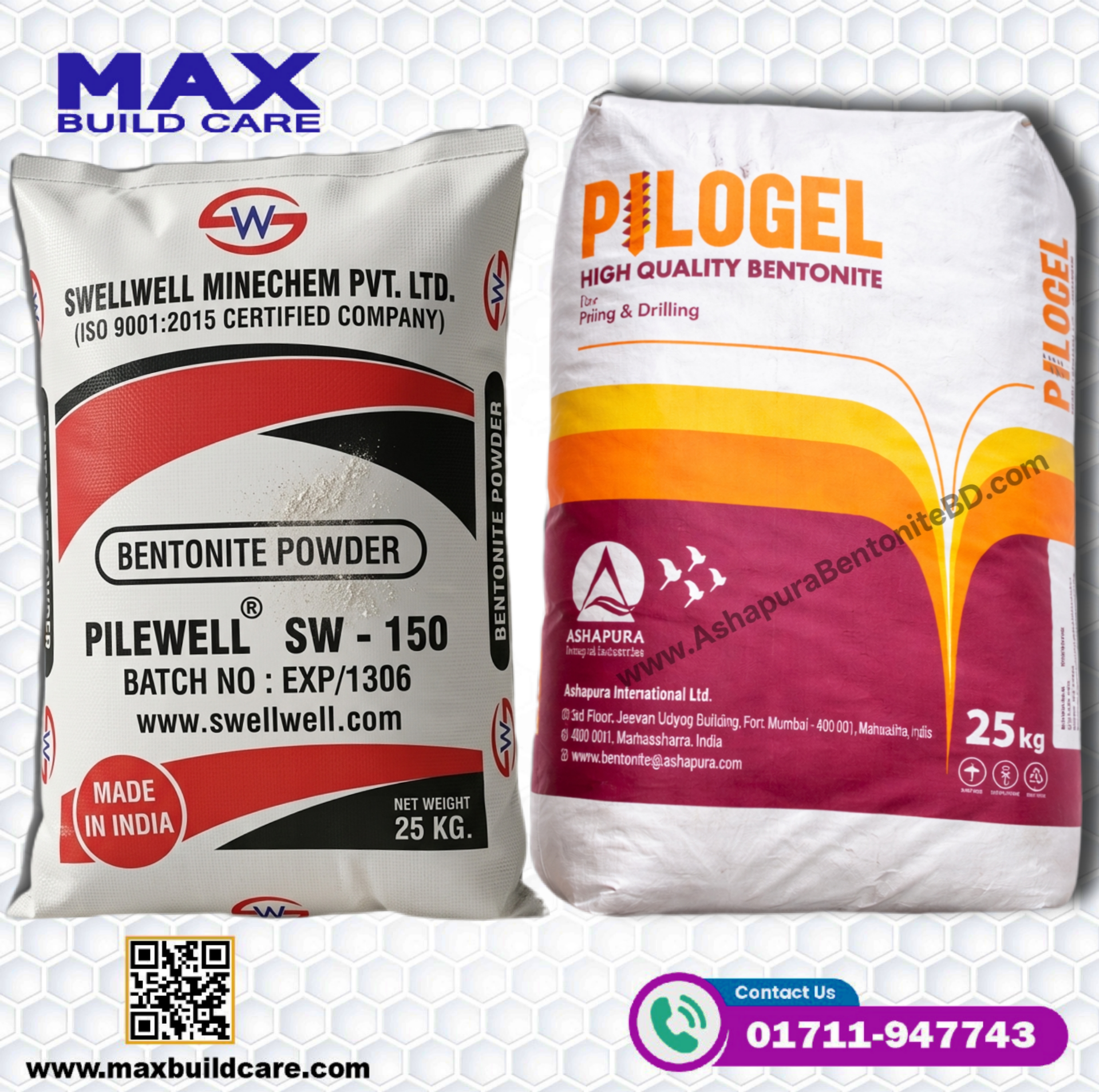
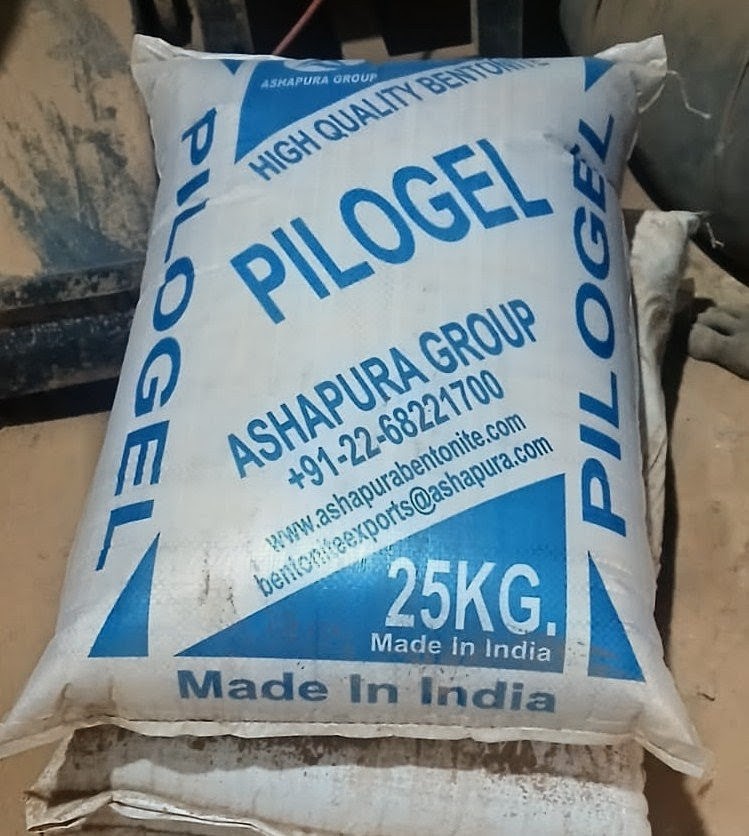
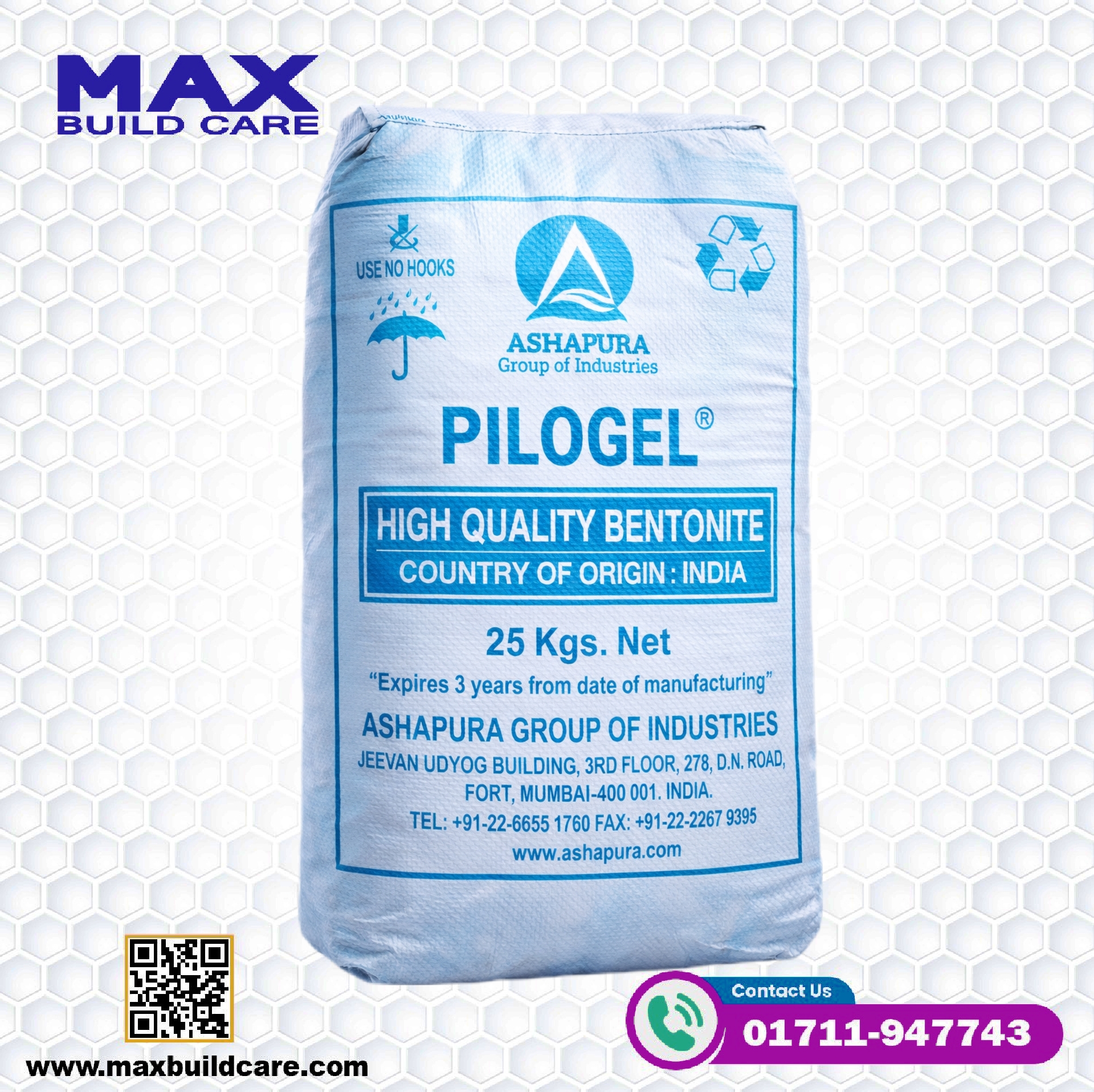
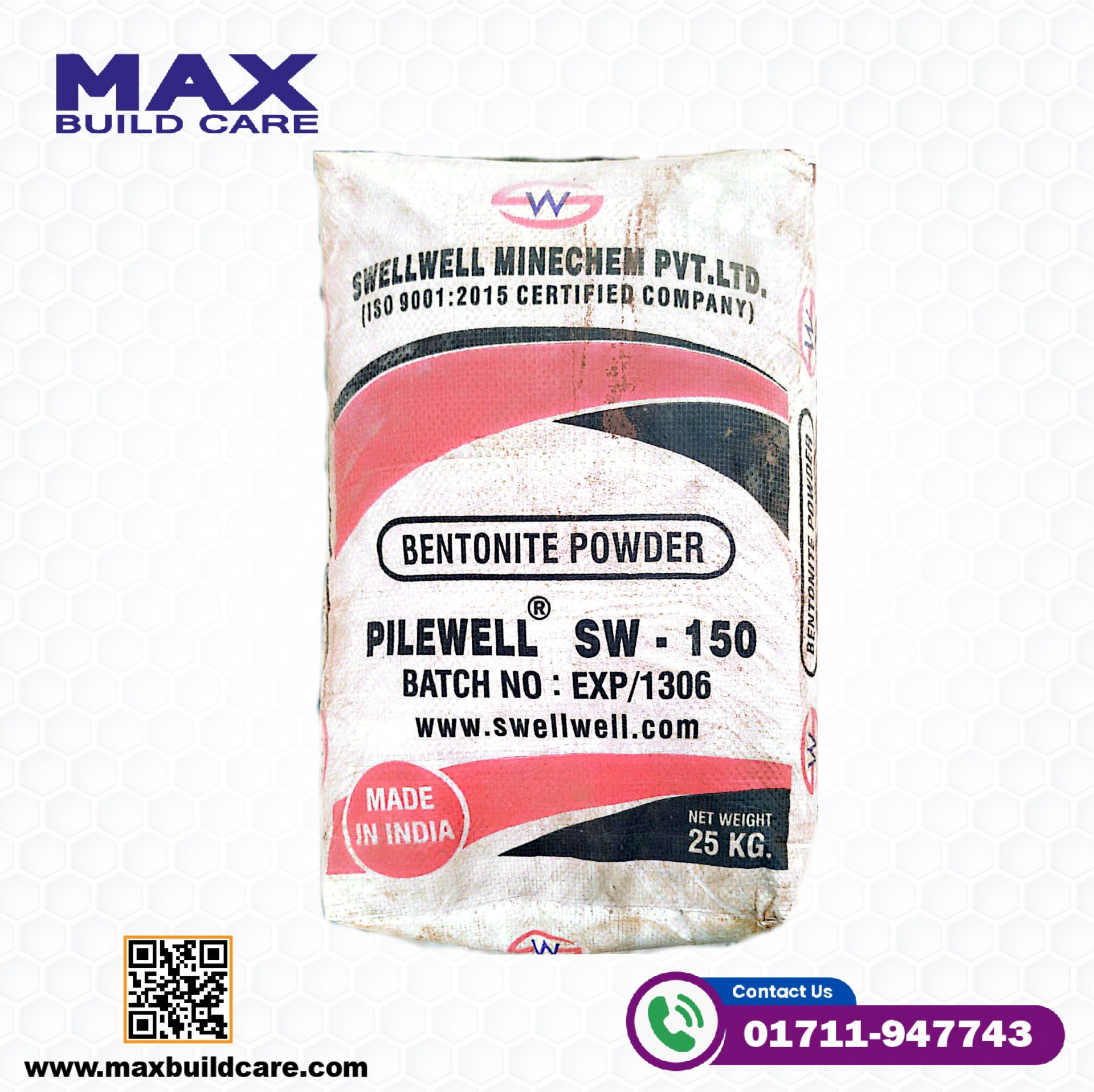
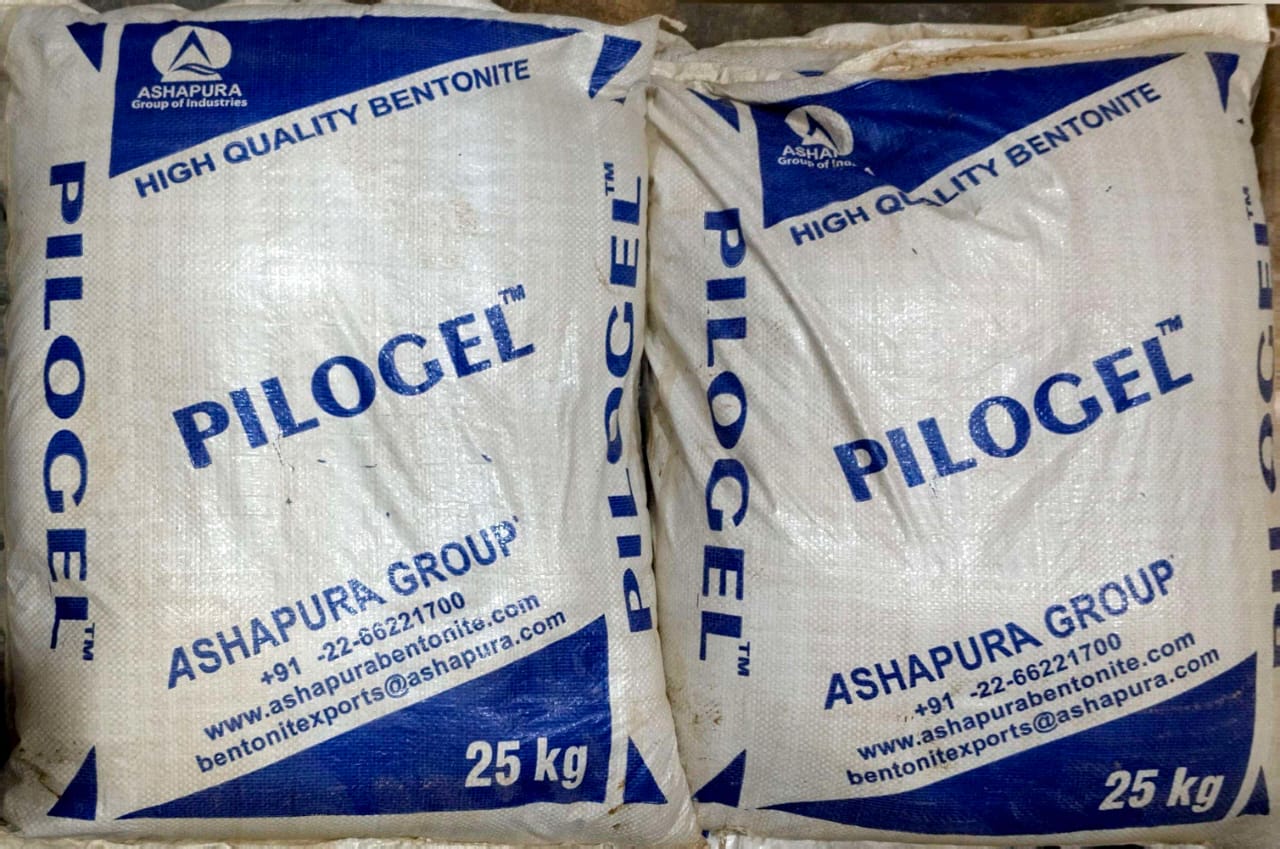
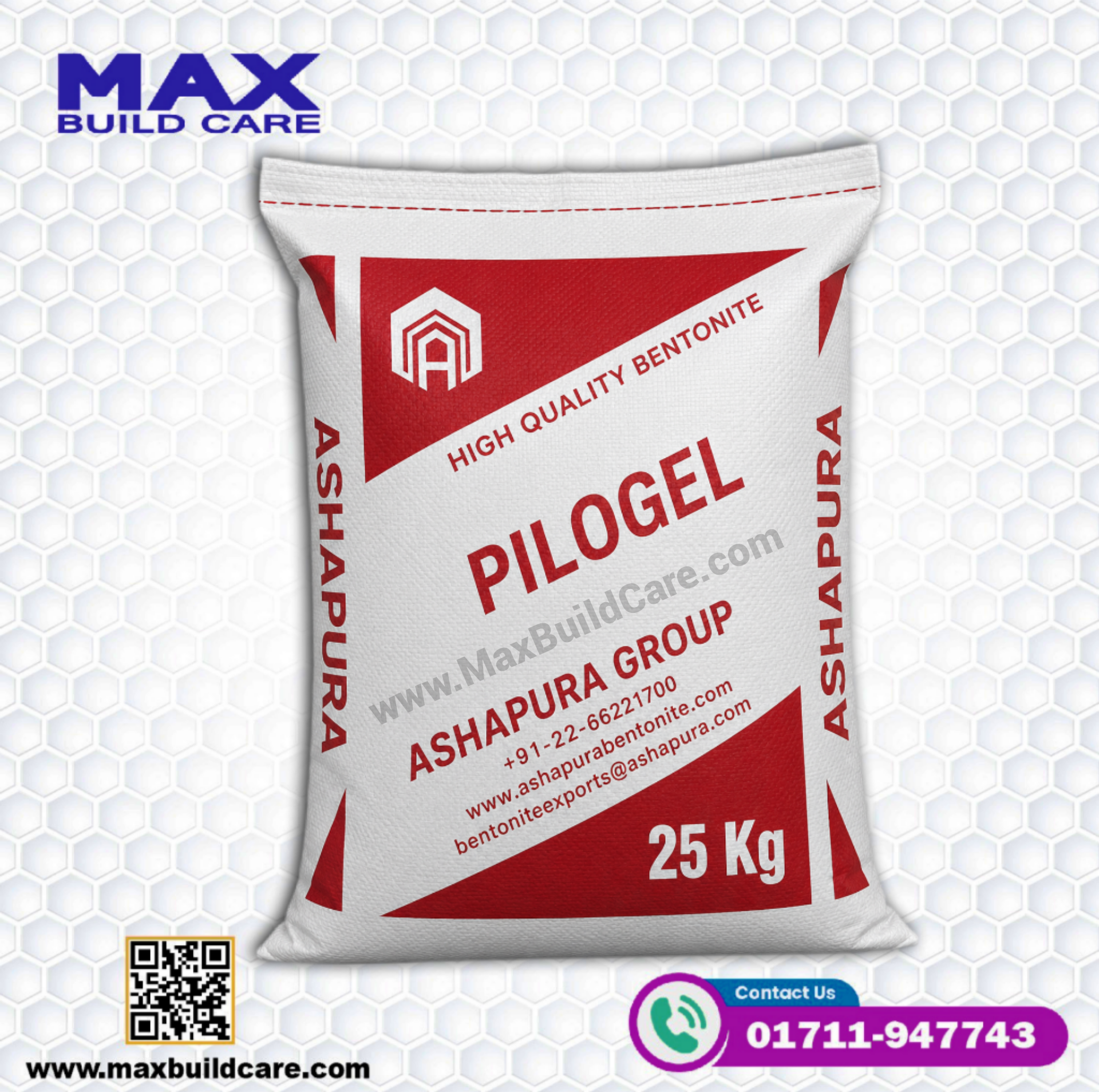
Sodium Bentonite Powder is a high-swelling natural clay used in piling, drilling, and construction applications. It forms a stable thixotropic slurry that prevents soil collapse, controls groundwater, and improves borehole stability for safe and efficient foundation work.
Sodium Bentonite Powder – Complete Industrial Description
Chemical Formula: (Na,Ca)₀.₃₃(Al,Mg)₂Si₄O₁₀(OH)₂·nH₂O
Appearance: Off-white to light grey fine powder
Sodium Bentonite Powder is a high-quality natural clay mineral widely used in piling, drilling, construction, foundry, and environmental applications. It is primarily composed of sodium montmorillonite, a mineral known for its exceptional swelling capacity, viscosity, and sealing performance. Due to its unique physical and chemical properties, sodium bentonite plays a critical role in modern engineering and industrial operations.
Sodium bentonite is formed naturally from volcanic ash deposits that have undergone alteration over millions of years. After mining and advanced processing, the material is converted into a fine powder with controlled particle size and high purity suitable for industrial use.
One of the most important characteristics of sodium bentonite is its ability to absorb large amounts of water and expand several times its original dry volume. When mixed with water, it forms a dense, thixotropic slurry that provides excellent stabilization, suspension, lubrication, and sealing properties.
Chemical Composition and Structure
Sodium bentonite mainly contains the clay mineral montmorillonite, which has a layered crystalline structure capable of absorbing water between its layers.
Main Components:
- Silicon Dioxide (SiO₂)
- Aluminum Oxide (Al₂O₃)
- Sodium Oxide (Na₂O)
- Magnesium Oxide (MgO)
- Structural Water (H₂O)
The sodium ions within the structure provide superior swelling and viscosity compared to other bentonite types, especially calcium bentonite.
Key Properties
Sodium Bentonite Powder offers outstanding industrial performance:
- High swelling capacity
- Excellent viscosity and gel strength
- Strong thixotropic behavior
- Superior sealing and waterproofing capability
- High water absorption capacity
- Excellent suspension properties
- Chemically stable and environmentally friendly
These characteristics make it ideal for demanding industrial and engineering applications.
Working Principle
When sodium bentonite comes into contact with water, its particles hydrate and swell significantly. This swelling creates a stable gel-like slurry capable of exerting hydrostatic pressure against surrounding surfaces.
The slurry also forms a thin impermeable layer known as a filter cake, which minimizes water loss and stabilizes boreholes or excavated areas. Its thixotropic nature allows the slurry to remain fluid under movement while becoming semi-solid at rest, ensuring continuous support and stability.
Major Applications
Piling and Foundation Work
Used extensively in bored piling and diaphragm wall construction to stabilize boreholes and prevent soil collapse.
Drilling Industry
Functions as drilling mud in oil, gas, geothermal, and water well drilling operations.
Foundry Industry
Used as a binder in molding sand for metal casting processes.
Civil Engineering
Applied in tunneling, trenching, and underground construction projects.
Waterproofing and Sealing
Used in landfills, ponds, dams, and containment systems because of its low permeability.
Agriculture
Improves soil moisture retention and enhances soil conditioning.
Advantages
- Prevents borehole collapse
- Controls groundwater infiltration
- Enhances drilling efficiency
- Eco-friendly and non-toxic
- Easy to mix and apply
- Cost-effective for large-scale projects
- Provides reliable long-term sealing performance
Technical Parameters (Typical)
- Swelling Index: 24–32 ml/2g
- pH Value: 8–10
- Moisture Content: ≤ 12%
- Marsh Funnel Viscosity: 30–45 sec
- Specific Gravity: ~2.6
Mixing and Usage Guidelines
For best performance:
- Add bentonite slowly into clean water during mixing
- Recommended concentration: 5%–7%
- Use mechanical agitation for uniform slurry formation
- Allow hydration for 6–8 hours before use
- Monitor viscosity and density regularly during operations
Proper preparation ensures maximum efficiency and stability.
Packaging and Storage
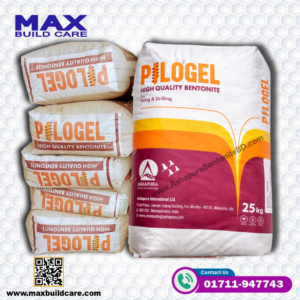
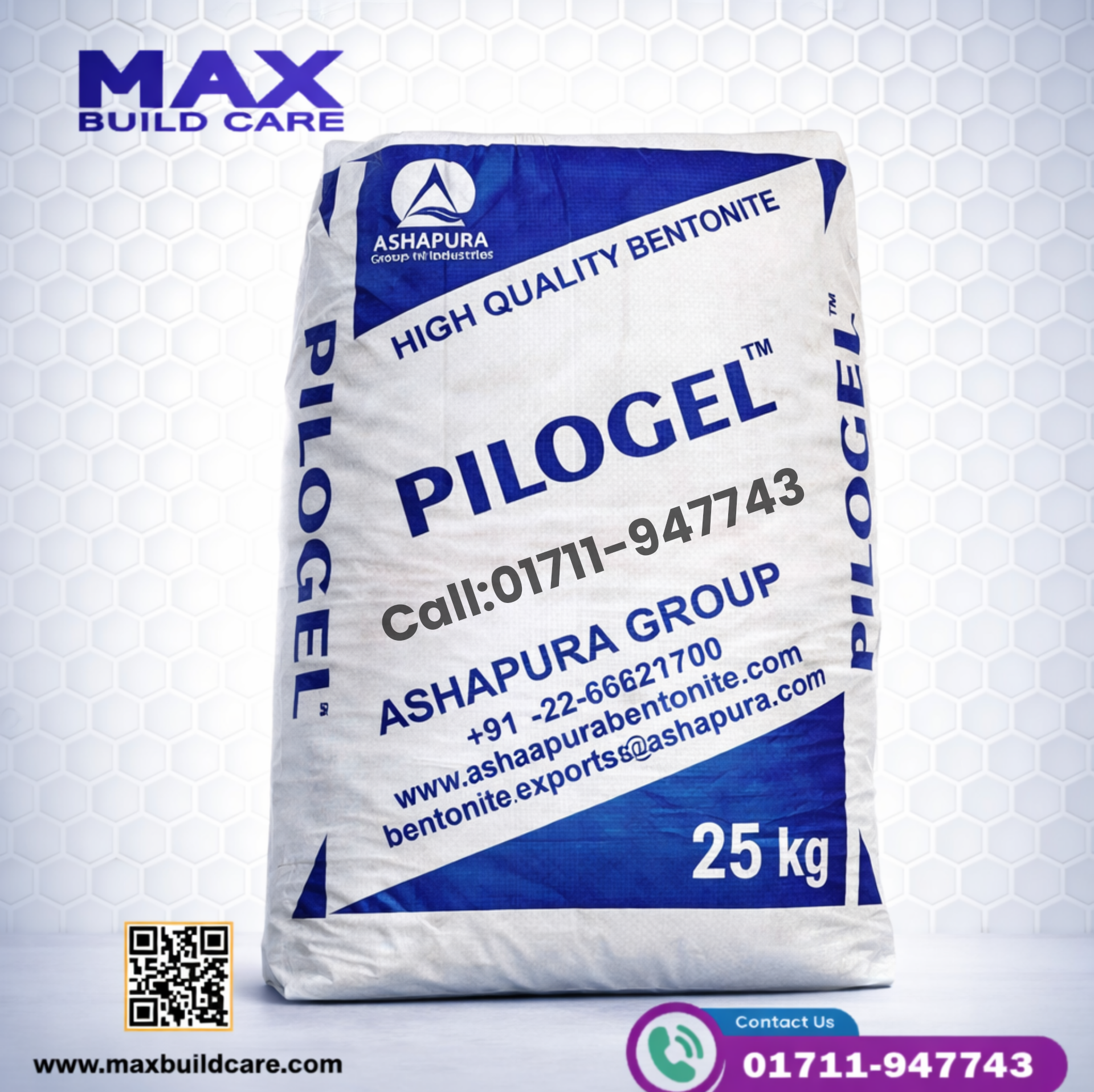
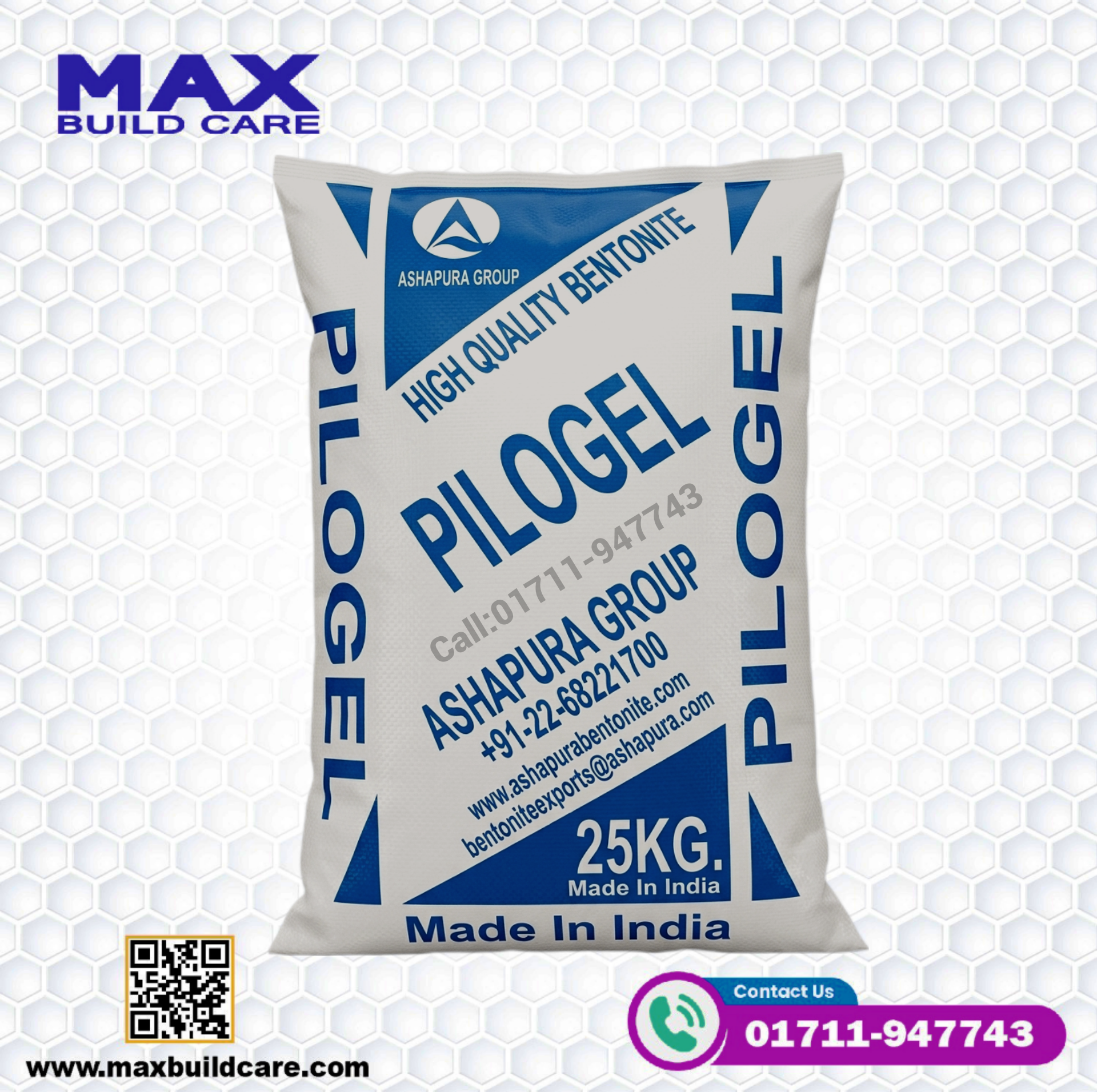
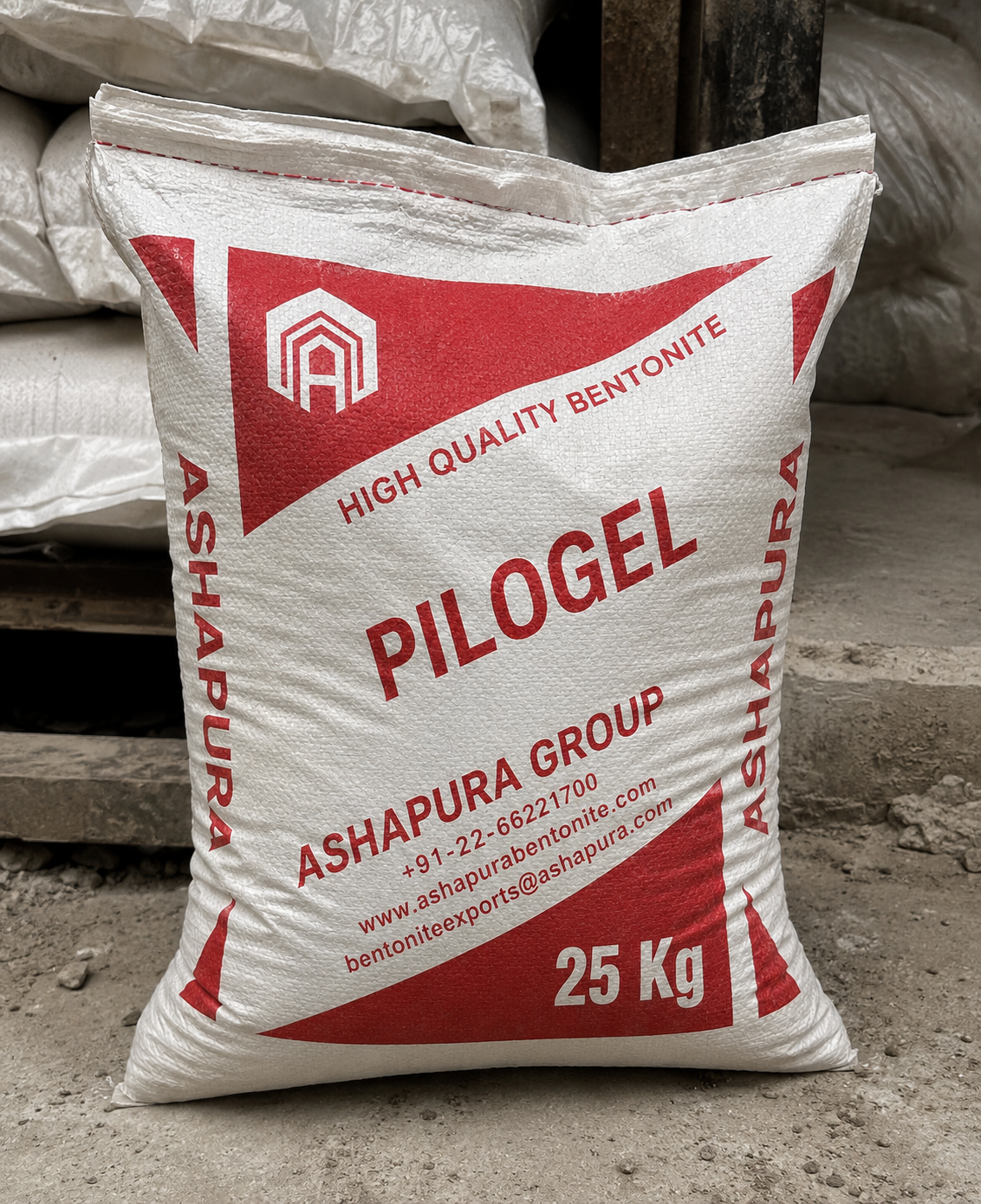
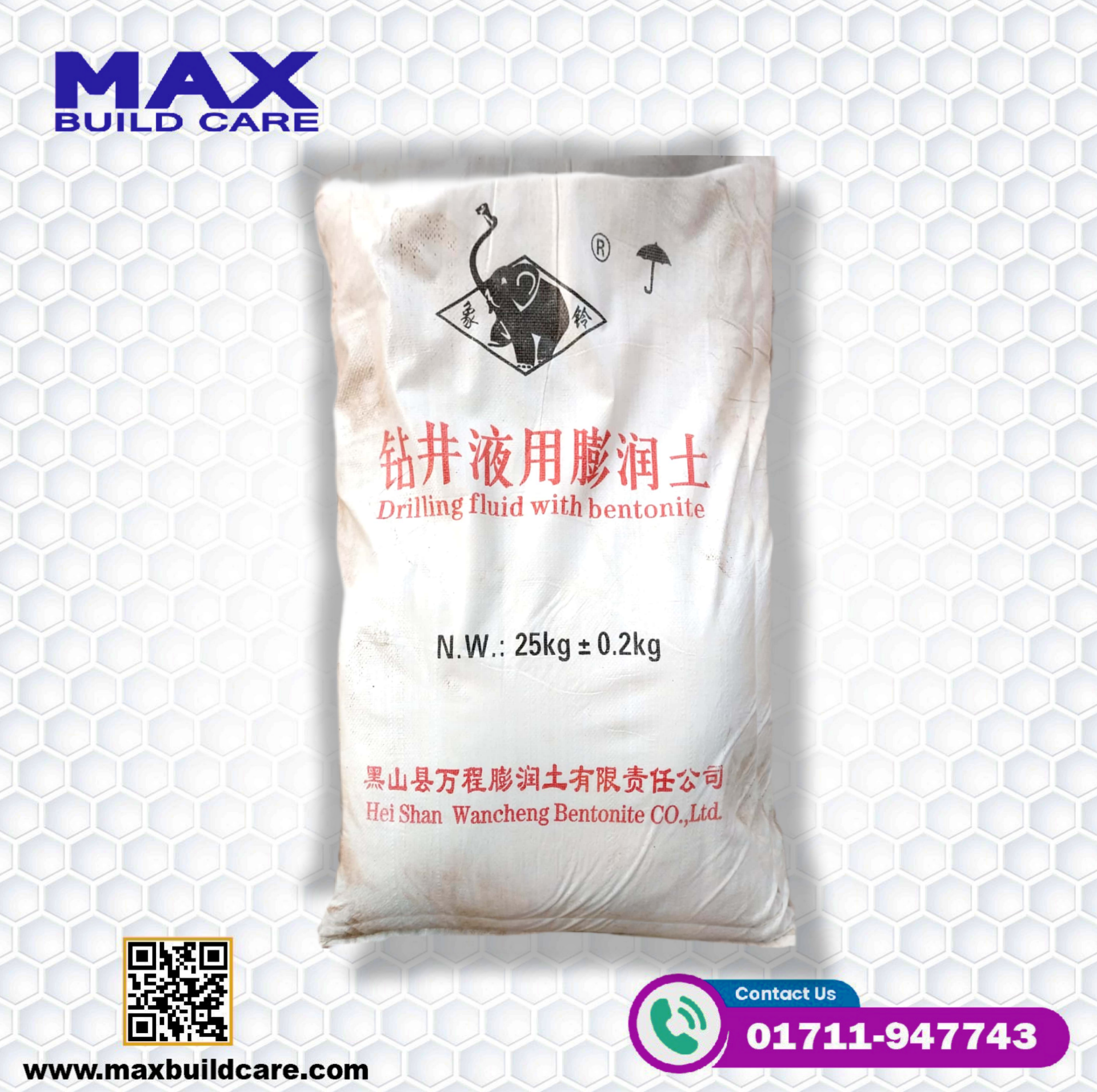
Sodium Bentonite Powder is generally supplied in 25 kg moisture-resistant bags or bulk packaging. It should be stored in a cool, dry place away from moisture and direct contamination.
Safety and Handling
Although sodium bentonite is considered safe and environmentally friendly, fine dust may cause irritation. Protective gloves, masks, and proper ventilation are recommended during handling.
Conclusion
Sodium Bentonite Powder is a highly versatile industrial clay known for its superior swelling, sealing, and stabilizing properties. Its extensive applications in piling, drilling, civil engineering, foundry, and environmental protection make it an essential material in modern industrial projects. With excellent performance, environmental safety, and cost efficiency, sodium bentonite continues to be one of the most trusted materials for engineering and construction industries worldwide.