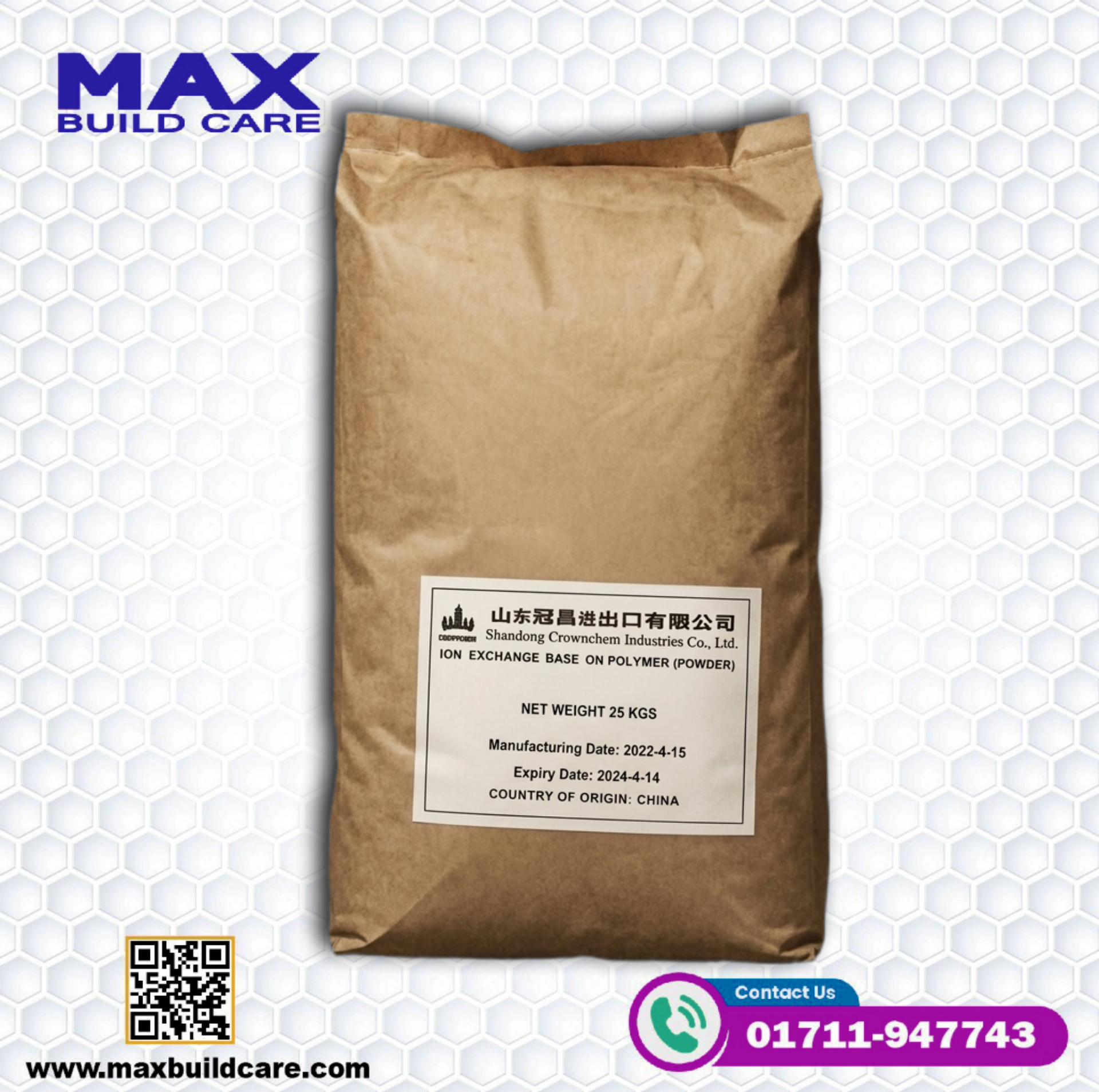
PHPA Drilling Polymer
৳ 210.00
PHPA Drilling Polymer is a high-performance anionic polyacrylamide used in drilling fluids. It improves viscosity, stabilizes boreholes, reduces friction, and controls fluid loss. Widely used in piling, oil & gas, and construction drilling for smooth, efficient, and safe operations.
PHPA Drilling Polymer – Professional Product Description
PHPA Drilling Polymer (Partially Hydrolyzed Polyacrylamide) is a high-performance synthetic polymer widely used as a drilling fluid additive in modern geotechnical engineering, foundation construction, oil & gas drilling, and water well drilling operations. It is specially designed to enhance drilling efficiency, stabilize boreholes, and improve the overall performance of drilling mud systems. Due to its advanced chemical properties, PHPA has become one of the most reliable solutions for challenging soil conditions and deep drilling applications.
Chemical Properties and Working Mechanism
PHPA is an anionic polyacrylamide that dissolves in water to form a highly effective viscous solution. When mixed with water, it develops long-chain polymer molecules that significantly increase the viscosity and stability of the drilling fluid.
These polymer chains create a stable colloidal system that enhances the fluid’s ability to suspend and transport drilled cuttings. As a result, cuttings are efficiently carried to the surface, preventing accumulation at the bottom of the borehole and ensuring smooth and uninterrupted drilling operations.
Additionally, PHPA forms a thin protective film on the borehole wall, which reduces fluid loss into surrounding soil formations. This helps maintain borehole integrity and significantly reduces the risk of collapse, especially in loose or unstable ground conditions.
It also reduces friction between drilling tools and soil particles, improving penetration speed and extending the lifespan of drilling equipment.
Major Applications
1. Piling and Foundation Engineering
PHPA is extensively used in deep foundation works such as building piles, bridge foundations, and diaphragm wall construction. It helps stabilize boreholes and prevents soil collapse during excavation.
2. Oil and Gas Drilling
In petroleum exploration, PHPA plays a crucial role in controlling drilling fluid properties, improving cuttings removal, and maintaining wellbore stability under high-pressure conditions.
3. Water Well Drilling
For tube wells and deep water wells, PHPA ensures smooth drilling operations by preventing borehole wall failure and minimizing water loss into surrounding formations.
4. Tunnel and Underground Construction
It is widely used in tunneling and geotechnical projects to stabilize weak soil structures and ensure safe excavation processes.
Key Advantages
- Enhances borehole stability and prevents collapse
- Improves viscosity and performance of drilling fluids
- Efficient transportation of drilled cuttings
- Reduces friction and increases drilling speed
- Controls fluid loss effectively
- Minimizes wear and tear on drilling equipment
- Environmentally safer compared to traditional additives
- Cost-effective solution for large-scale projects
How It Works in Drilling Operations
PHPA is added to water-based drilling fluids to create a polymer-enhanced mud system. Once mixed, it transforms the fluid into a thick, gel-like medium with excellent suspension capabilities.
During drilling operations, this fluid circulates continuously through the borehole. As the drill bit penetrates soil or rock formations, PHPA encapsulates the cuttings and transports them efficiently to the surface.
At the same time, it forms a protective coating on the borehole walls, reducing erosion and preventing collapse in unstable formations. This ensures smooth drilling, reduces downtime, and improves overall operational efficiency.
Importance in Modern Engineering
In modern construction and drilling industries, PHPA Drilling Polymer is considered an essential material. Compared to conventional bentonite-based systems, PHPA offers cleaner operation, higher efficiency, and reduced environmental impact.
It requires a lower dosage to achieve superior performance, making it a highly cost-effective choice for contractors and engineers. Its excellent performance in both soft and unstable soil conditions makes it suitable for a wide range of geological environments.
Usage in Bangladesh
In Bangladesh, PHPA Drilling Polymer is widely used in major infrastructure projects such as high-rise buildings, metro rail systems, bridges, and deep tube wells. Due to the country’s soft soil conditions and high groundwater levels, PHPA provides a reliable solution for maintaining borehole stability and ensuring safe construction practices.
Conclusion
PHPA Drilling Polymer is a modern and highly efficient drilling fluid additive that plays a vital role in construction and geotechnical engineering. It improves drilling performance, enhances safety, reduces operational risks, and ensures cost efficiency.
With its advanced chemical structure and versatile applications, PHPA has become an indispensable material in today’s drilling industry. Its continued use in large-scale infrastructure projects highlights its importance as a reliable and sustainable solution for complex drilling challenges.