Magnesium Oxide
৳ 1.00
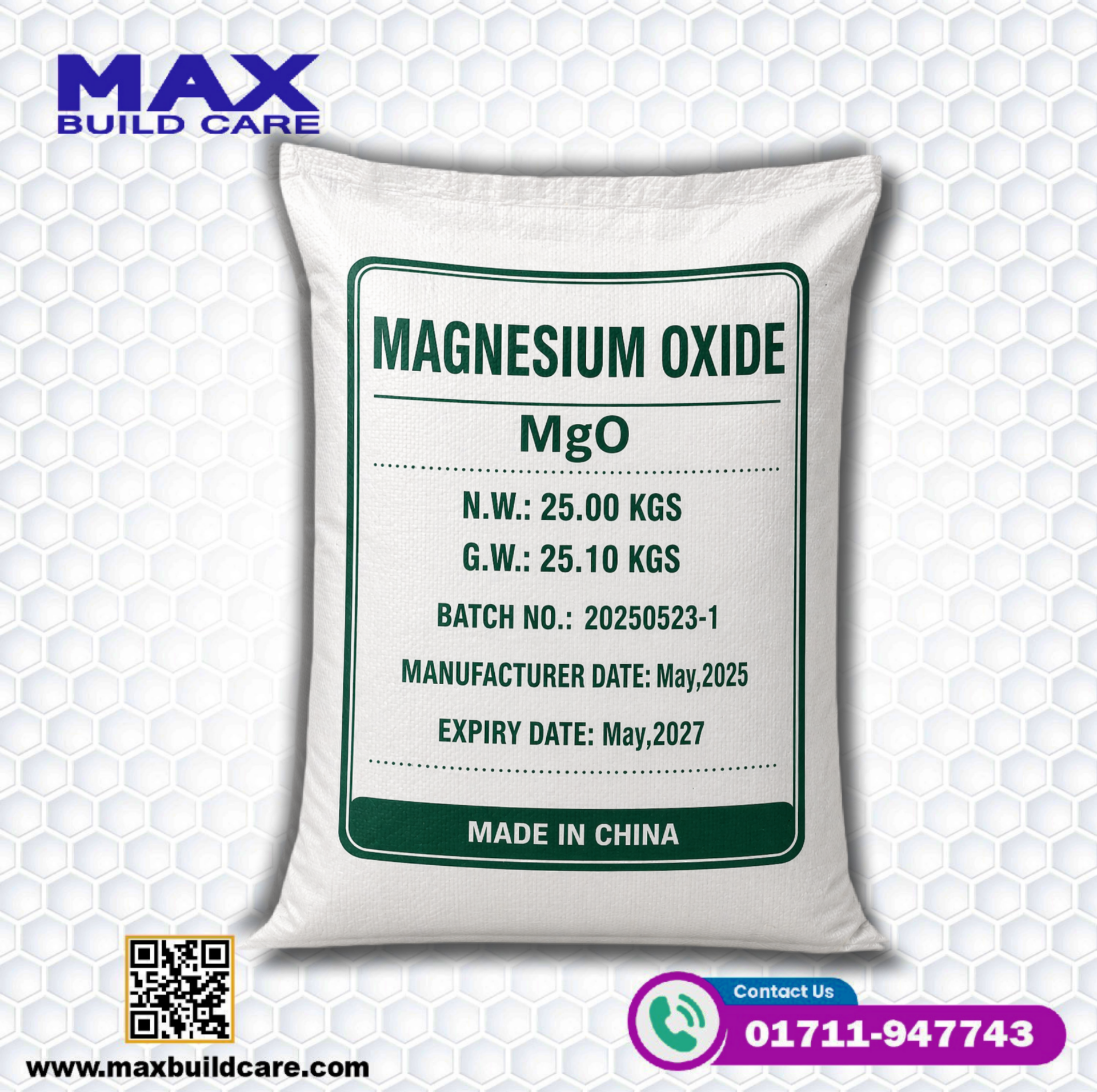
Magnesium Oxide is a high-purity inorganic compound widely used in refractory, construction, agriculture, and industrial applications. It offers excellent heat resistance, high melting point, and strong chemical stability, making it ideal for furnace linings, insulation, cement, and environmental uses.
Magnesium Oxide (MgO) – Complete Industrial Description
Chemical Formula: MgO
Appearance: White powder or granules
Magnesium Oxide (MgO) is a high-performance inorganic compound widely used across construction, refractory, agriculture, environmental, and chemical industries. Known for its excellent thermal stability, high melting point, and strong chemical resistance, magnesium oxide is considered an essential industrial material for applications requiring durability, insulation, and high-temperature performance. It is typically produced from naturally occurring minerals such as magnesite (MgCO₃) or extracted from seawater and brine through controlled processing methods.
Magnesium oxide appears as a fine white powder or light granular material. It is odorless, non-toxic in controlled usage, and exhibits strong alkaline properties. Due to its versatility and consistent performance, MgO is used in a wide range of industrial formulations where strength, heat resistance, and chemical stability are critical.
Chemical Composition and Properties
Magnesium oxide is a simple inorganic compound consisting of magnesium and oxygen.
Chemical Formula: MgO
It is formed by the thermal decomposition of magnesium carbonate or magnesium hydroxide at high temperatures. The resulting product is a stable oxide with a crystalline structure that provides excellent resistance to heat and chemical reactions.
Key Physical and Chemical Properties:
- High melting point (~2800°C)
- Excellent thermal conductivity and insulation properties
- Strong resistance to chemical attack
- High alkalinity (basic oxide)
- Low electrical conductivity in pure form
- Good moisture absorption capability
- Insoluble in water but reacts slowly to form magnesium hydroxide
These properties make MgO suitable for extreme industrial environments and specialized applications.
Manufacturing Process
Magnesium oxide is primarily produced using two main methods:
1. Calcination of Magnesite
Natural magnesite ore (MgCO₃) is heated at high temperatures (700–1000°C or higher depending on grade) to remove carbon dioxide, resulting in magnesium oxide. This process produces different grades such as light-burned, hard-burned, or dead-burned MgO based on temperature and application requirements.
2. Seawater or Brine Processing
Magnesium compounds are extracted from seawater or brine and converted into magnesium hydroxide, which is then calcined to produce high-purity MgO. This method ensures uniform quality and controlled purity.
Major Industrial Applications
Refractory Industry
One of the largest uses of magnesium oxide is in refractory materials. Due to its high melting point and resistance to heat, MgO is used in furnace linings, kilns, steelmaking converters, and high-temperature insulation systems.
Construction Materials
In the construction industry, MgO is used in magnesium-based cement, boards, and panels. It provides fire resistance, durability, and environmental sustainability. MgO boards are widely used as an alternative to traditional gypsum boards.
Agriculture
Magnesium oxide is used as a soil conditioner and magnesium supplement in agriculture. It helps improve soil fertility and correct magnesium deficiencies in crops. It is also used in animal feed to support healthy growth and metabolism.
Environmental Applications
MgO plays an important role in environmental protection. It is used for:
- Neutralizing acidic wastewater
- Treating industrial effluents
- Removing heavy metals
- Flue gas desulfurization
Its alkaline nature makes it highly effective in pollution control processes.
Chemical Industry
Magnesium oxide is used as a raw material in the production of magnesium salts, chemicals, and catalysts. It also acts as a stabilizer and filler in various chemical formulations.
Rubber and Plastics
In rubber manufacturing, MgO acts as an acid acceptor and curing agent. It improves heat resistance and durability of rubber products.
Advantages of Magnesium Oxide
Magnesium oxide offers several benefits that make it highly valuable in industrial applications:
- Exceptional heat resistance
- High durability and long service life
- Environmentally friendly and non-toxic
- Strong chemical stability
- Versatile application across multiple industries
- Cost-effective performance
These advantages make MgO a reliable and efficient material for both heavy industrial and general-purpose applications.
Packaging and Storage
Magnesium oxide is typically supplied in 25 kg bags or bulk packaging. It should be stored in a dry, moisture-free environment, as it can absorb moisture from the air and gradually convert into magnesium hydroxide. Proper storage ensures consistent performance and long shelf life.
Safety and Handling
Magnesium oxide is generally safe when handled properly. However, fine dust may cause irritation to the respiratory system, eyes, or skin. It is recommended to use protective equipment such as masks, gloves, and safety goggles during handling in industrial environments.
Conclusion
Magnesium Oxide (MgO) is a highly versatile and essential industrial material known for its outstanding thermal resistance, chemical stability, and wide range of applications. From refractory linings and construction materials to agriculture, environmental protection, and chemical manufacturing, MgO delivers reliable performance and long-term durability. Its eco-friendly nature, cost efficiency, and adaptability make it a preferred choice for industries seeking high-quality and sustainable solutions.